Social Infrastructure
Between 2024 and 2027, Waterloo Region Community Foundation’s (WRCF) strategic area of focus is social infrastructure.
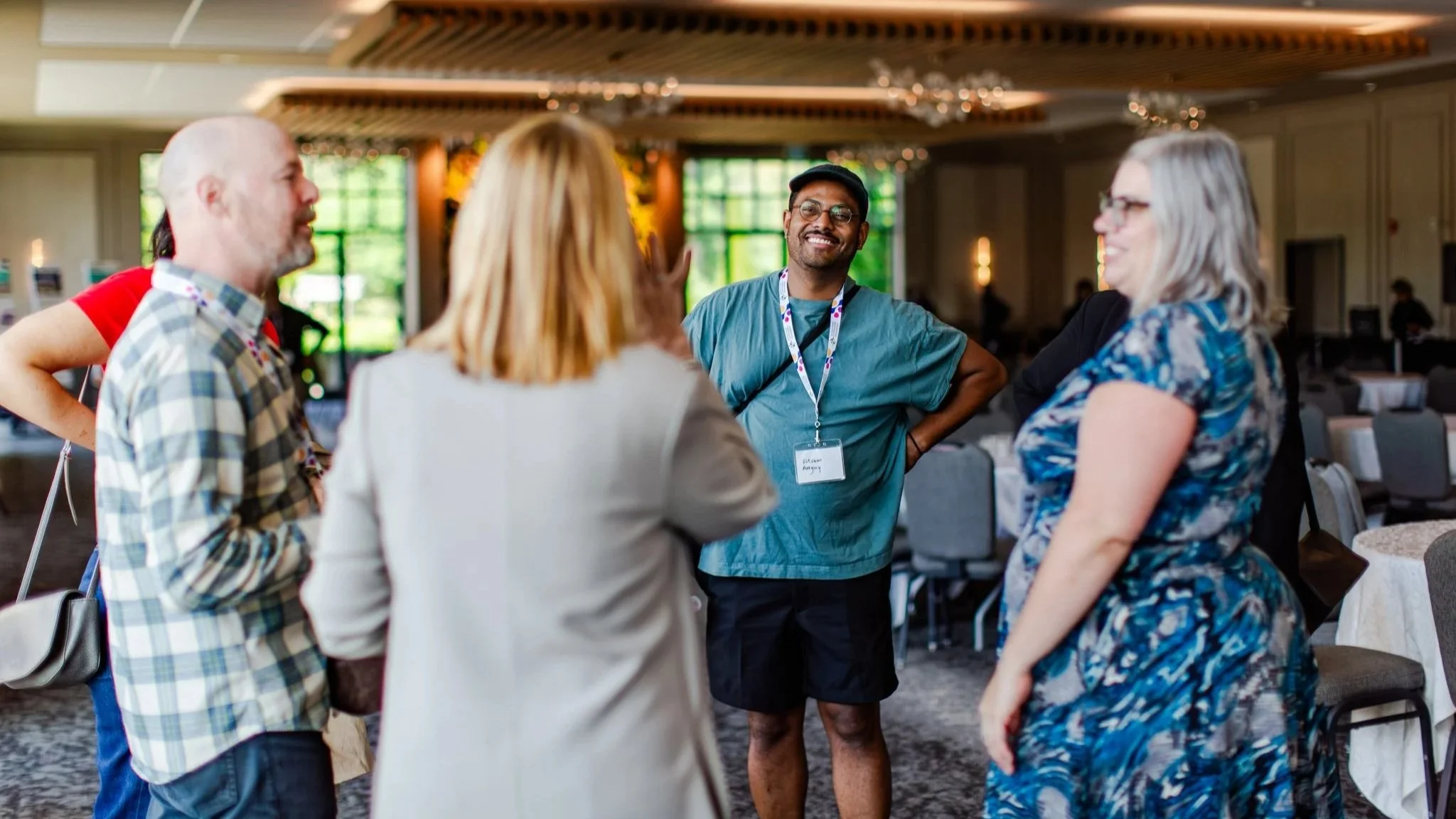
WRCF defines social infrastructure as the system of shared places, experiences, and resources that enable people to connect with each other, the bridges necessary to build trust and civic participation, to create a sense of belonging and wellbeing. It’s the system that enables sustainable widespread community development. Our region is on track to grow to over one million people by 2040. There needs to be a solid social infrastructure in place to “grow community as our community grows”.
Below you will find additional information about social infrastructure – including blogs, reports, presentations and articles. Let’s continue to learn together and collectively make an impact in our region now, and for the future!
If you have any questions, contact us at info@wrcf.ca or 519-725-1806.
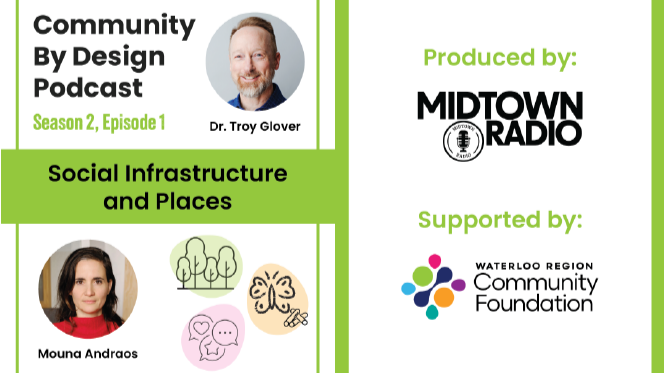
Podcast: Community By Design Season 2, Episode 1 - Social Infrastructure and Places
September 2026 - WRCF and Midtown Radio have launched a second season of Community By Design, a podcast series focused on insights from our Vital Ideas® Reports. In Episode 1 of Season 2, host Shannon Knelsen chats with Dr. Troy Glover and Mouna Andraos.

What is Social Infrastructure?
Physical infrastructure is the visible, built environment systems of housing, parks, roads, public transit, recreation centres, and the less visible systems of sewers and power grids. It’s the systems on which economic development traditionally relies.
Social infrastructure is the system of shared places, experiences, and resources that enable people to connect with each other, the bridges necessary to build trust and civic participation, to create a sense of belonging and wellbeing. It’s the system that enables sustainable widespread community development.
What can Social Infrastructure do?
Social Infrastructure can enable us to create meaningful interactions between different communities, different neighbourhoods, different groups, and different generations. It can encourage those sitting on the sidelines to participate in civic life.
If we can build enough bridges, we can increase understanding of those around us, we can increase trust, and we can increase a sense of belonging and safety beyond our typical boundaries. We can be a community capable of coming together to accomplish big things – important things.
That’s the power of social infrastructure.
Why do we need Social Infrastructure?
Waterloo Region’s population is growing rapidly both in numbers and in diversity, and that holds potential but also possible peril. Our growth can be a source of unique perspectives, fresh ideas, and new experiences. It also could cause disruption, confusion, and a loss of shared identity. We must be deliberate that we don’t exclude people, neighbourhoods, or communities from the conversations and opportunities ahead.
As our larger society faces trends towards more polarization, isolation, and loneliness, Waterloo Region can instead realize our collective potential by growing into the place where everyone is valued, feels they belong, and can be a part of helping to create something bigger.
How does Social Infrastructure Work?
Social Infrastructure carries the following traits:
Connection – Build a sense of belonging. Feeling connected to something or someone is fundamental to the human spirit. It allows us to step out of our assumptions and prejudices and feel the joy of open-ended possibility and purpose.
Collaboration – Together, we can do more. Interaction with others – other organizations, other people, other communities – should reinforce our ability to work together to achieve outcomes we couldn’t reach alone.
Purposeful – We come together for a reason. Our communities benefit when we act with intention, embracing a clarity of goals aligned with our community’s shared values and aspirations.
Agency – We each choose how we participate. Individuals should dictate the role they want to play or how they interpret a piece of art. Choices create engagement and power.
Openness, Safety, and Accessibility – All are welcome. People must feel comfortable to openly be themselves and interact. Barriers like buying a ticket, transportation, or a lack of accommodation for people living with disabilities should be removed so communities have a better chance at defining what brings them together and how to support each other.
Chance – Allow for moments of surprise. We often need a jolt of the unexpected to discover new opportunities we didn’t know we were looking for. Joy can come from meeting someone new, stumbling upon an unexpected event in the neighbourhood, learning a new skill, or just getting a welcomed break from the day-to-day.

Blog: Your Vote, Your Neighbourhood
September 2026 - WRCF's President & CEO, Eric Avner, reflects on the upcoming municipal election and how it is an opportunity to ensure our communities' social infrastructure gets recognized.
Blog: When the Rituals Disappear
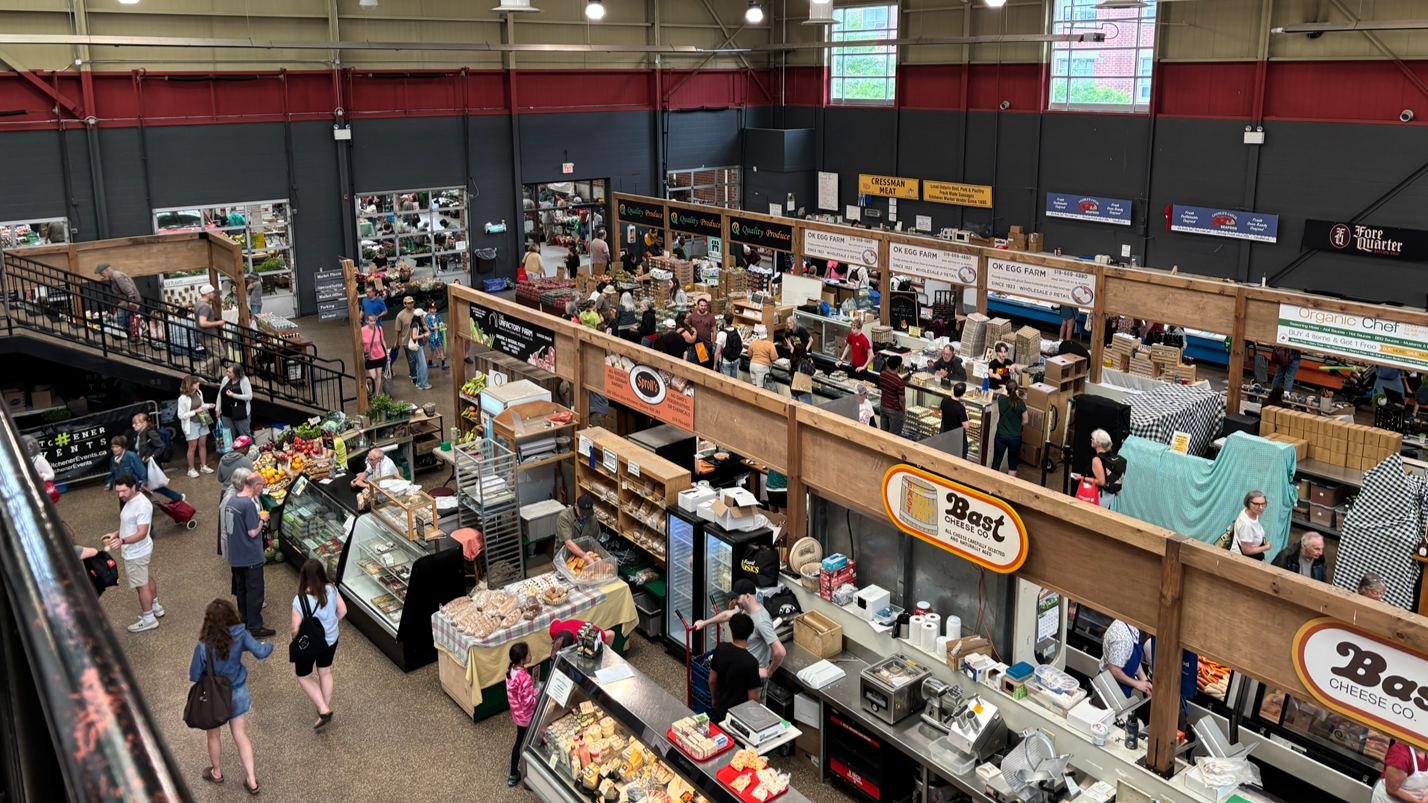
August 2026 - With the Kitchener Market closed after a fire and 570 NewsRadio's midmorning show displaced, WRCF's President and CEO Eric Avner reflects on what these losses mean beyond the practical. At stake are the quiet rhythms and familiar routines that turn shared spaces into real community.
-
![]()
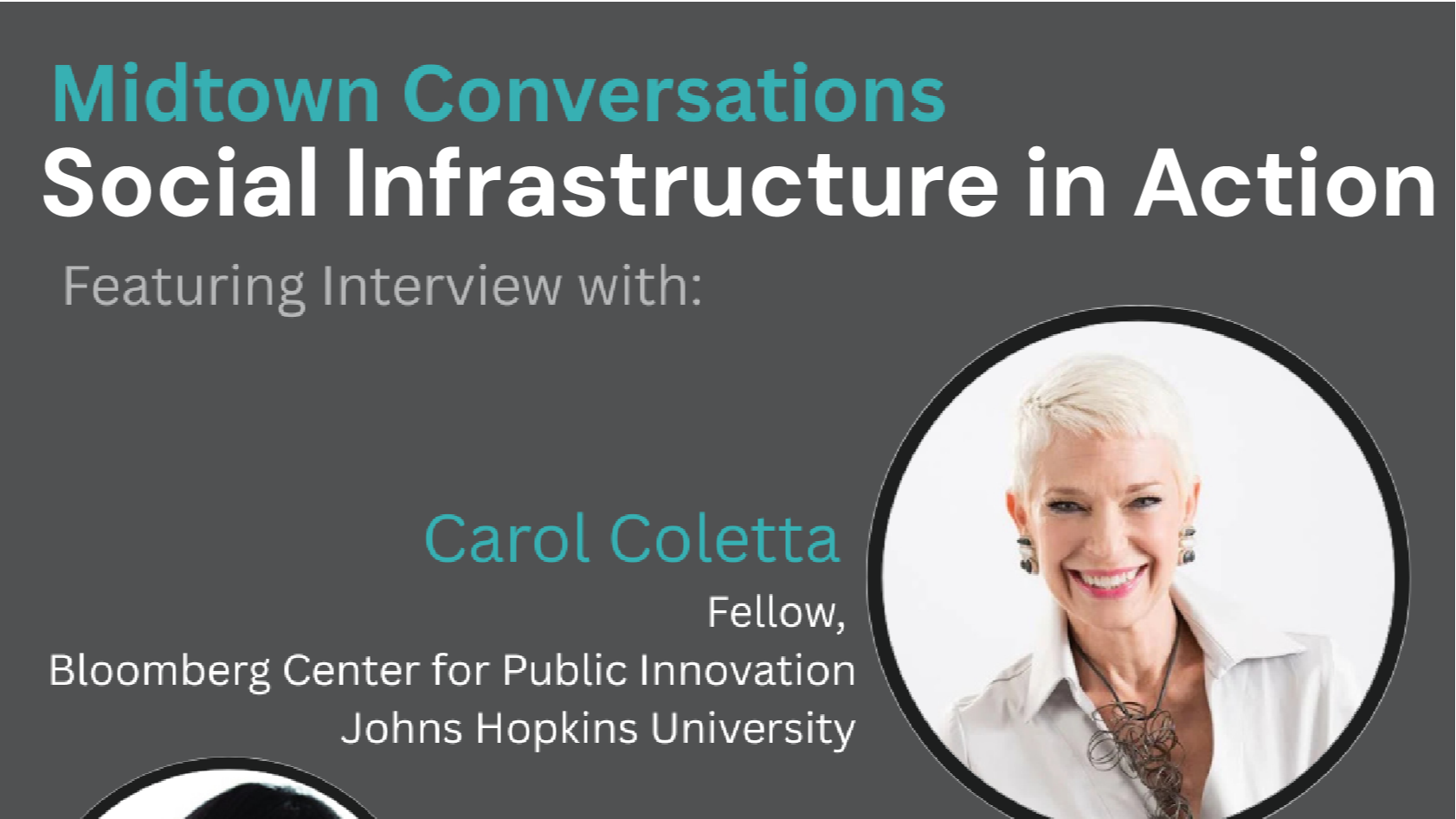
Podcast: Carol Coletta, Shirley Madill, and Eric Avner Discuss Social Infrastructure
October 2025 - Guests Carol Coletta, Shirley Madill, and Eric Avner discuss the importance of social infrastructure and how we can make our communities more joyful.
-
![]()
Blog: What a Whirlwind Month Taught Me About Connection
October 2025 - In his latest blog, WRCF’s President & CEO Eric Avner reflects on how these moments all share a common thread: building stronger connections and a deeper sense of belonging across Waterloo Region.
-
![]()
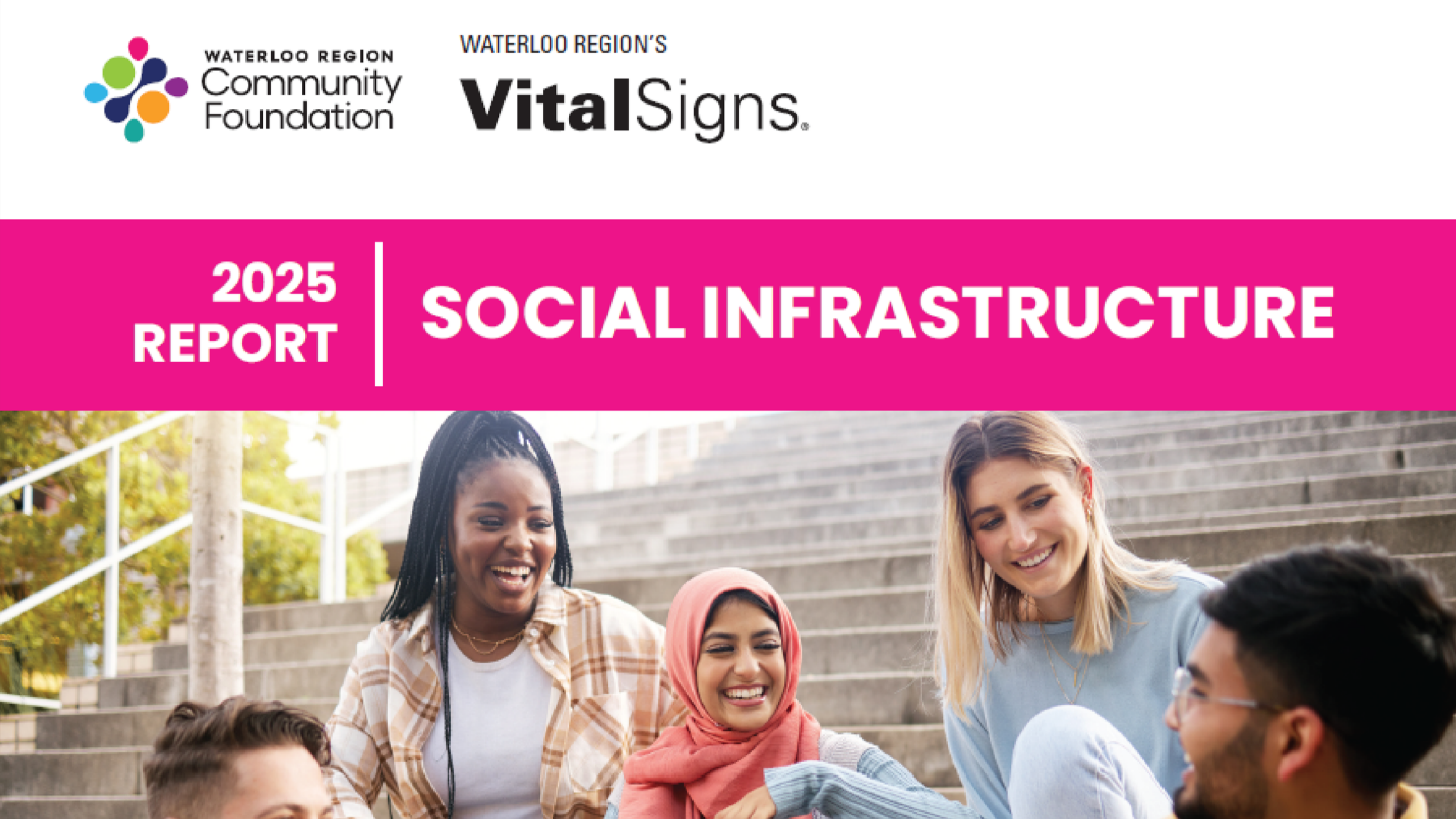
Presentation and Report: Launch of Waterloo Region's 2023 Vital Signs® Report
September 2025 - On September 10, 2025, WRCF released Waterloo Region's 2025 Vital Signs® Report. Our President & CEO, Eric Avner, invited Steven Ayer to share his insights on the data being shared through this local report.
-
![]()
Blog: Three Years In: Feeling at Home in Waterloo Region
September 2025 - WRCF's President & CEO, Eric Avner, reflects on his last three years in Waterloo Region, the feeling of being welcomed, and the findings of Waterloo Region's 2025 Vital Signs® Report.
-
![]()
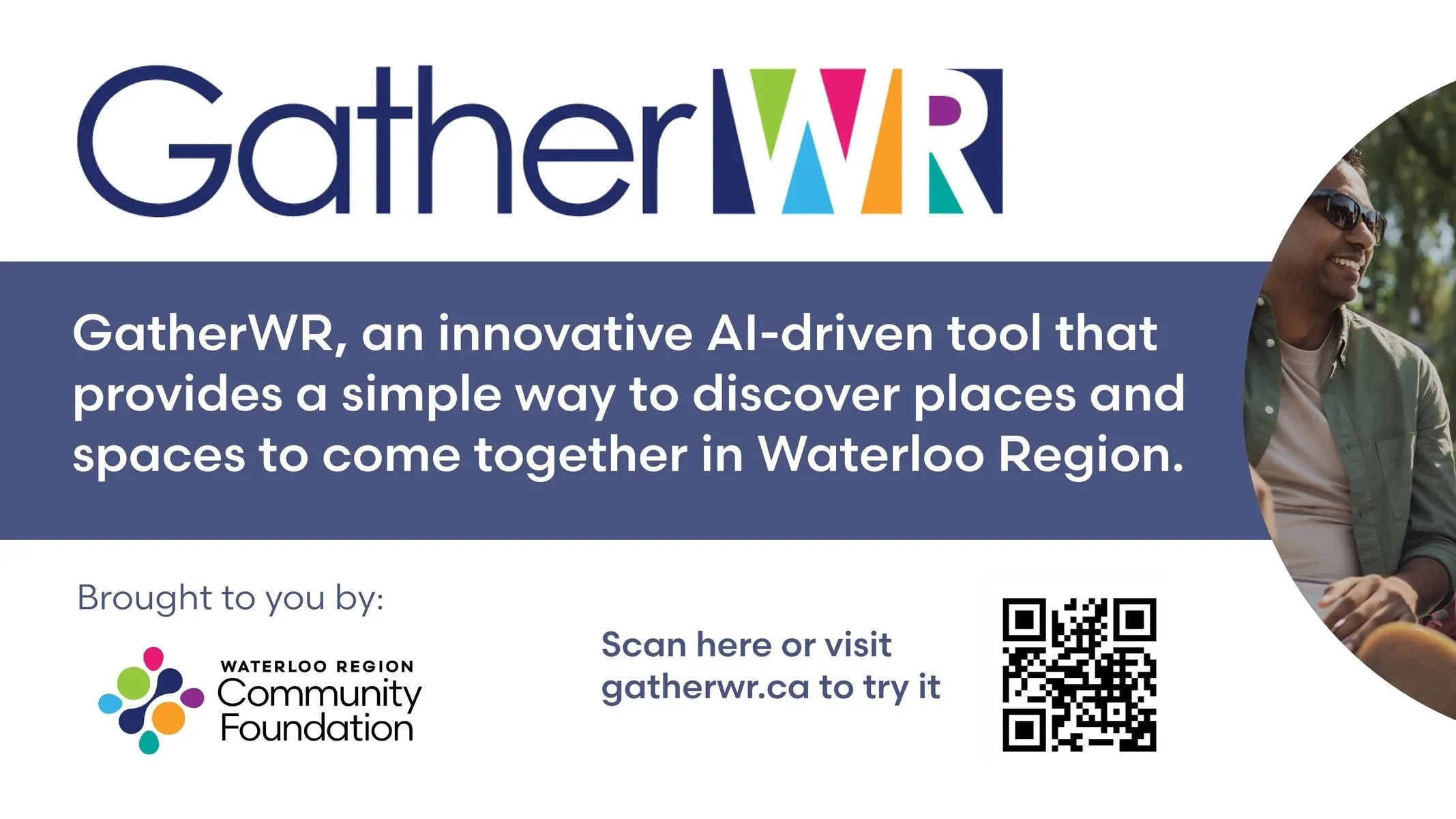
Community Tool: WRCF launches GatherWR – an AI tool to help bring people together in Waterloo Region
June 2025 - In partnership with Gambit Technologies Inc., WRCF recently launched GatherWR, an innovative AI-driven tool that provides a simple way to discover places and spaces to come together in Waterloo Region.
-
![]()
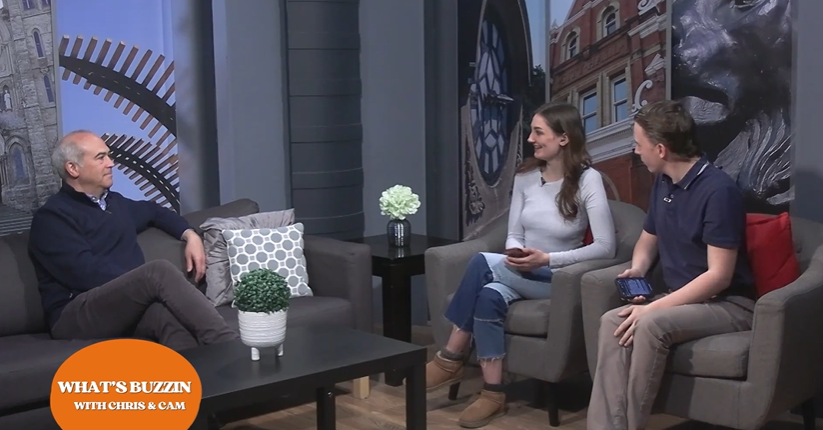
Interview: What's Buzzin' with Chris & Cam interview with Eric Avner, WRCF President & CEO
May 2025 - Chris and Cam get the breakdown on the local organization, Waterloo Region Community Foundation.
-
![]()
Presentation and Panel Discussion: Hubs, Havens, and Hangouts: Where Social Interactions Are Made Tangible
May 2025 - On May 7, 2025, WRCF hosted a Do More Good Dialogue on Hubs, Havens, and Hangouts: Where Social Interactions Are Made Tangible. The session shared insights on a framework WRCF supports that was created by Gehl Studio, which focuses on three types of activated spaces: Hubs, Havens, and Hangouts. Panelists further discussed how the framework could help Waterloo Region grow community as our community grows to one million people.
-
![]()
Blog: Exploring the Power of Place: Reflections on Hubs, Havens, and Hangouts
May 2025 - WRCF's President & CEO, Eric Avner, reflects on our recent Do More Good Dialogue: Hubs, Havens, and Hangouts: Where Social Interactions Are Made Tangible and the framework that WRCF has been using to better understand the ways public spaces help foster meaningful connections.
-
![]()
Podcast: Creative Economies, Social Infrastructure, and Building Livable Communities - in Conversation with Mitchell Cohen
April 2025 - Danielle Deveau (MidTown Radio) chats with Mitchell Cohen (The Daniels Corporation), Shirley Madill (Kitchener-Waterloo Art Gallery), and Eric Avner (Waterloo Region Community Foundation) on the topic of Creative Economies, Social Infrastructure, and Building Livable Communities.
-
![]()
Blog: Walking Through Community: A Reflection on Design, Connection, and Regent Park’s Social Infrastructure
April 2025 - WRCF's President & CEO, Eric Avner, reflects on Kitchener-Waterloo Art Gallery's recent Culture Talk, which welcomed Mitchell Cohen, President & CEO of The Daniels Corporation, who shared insights on the reimagined Regent Park in Toronto.
-
![]()
Blog: Rural Communities Across Waterloo Region - Building Bridges to Strengthen Relationships
March 2025 - WRCF's President & CEO, Eric Avner, shares his thoughts on how social infrastructure shows up in our rural communities and reflects unique needs and unique resources.
-
![]()
Interview: SETSI NATIONAL Interview with Eric Avner President & CEO Waterloo Region Community Foundation
March 2025 - Ma’at Re chats with WRCF’s President & CEO, Eric Avner about social infrastructure and the importance of building connections with the community around you.
-
![]()
Blog: More Conversations, More Connections
February 2025 - WRCF's President & CEO, Eric Avner, shares a few examples of how the power of social infrastructure is being recognized across Waterloo Region, and comments on upcoming funding streams through WRCF.
-
![]()
Presentation and Panel Discussion: Vision 1 Million: The Future of Infrastructure in Waterloo Region
February 2025 - Ian McLean, President & CEO, Greater Kitchener Waterloo Chamber of Commerce, welcomes Hon. Prabmeet Sarkaria, Minister of Transportation, for a conversation in their Vision 1 Million series. This is followed by a panel discussion with local industry experts on social infrastructure, which features WRCF’s President & CEO, Eric Avner.
-
![]()
Blog: A prediction of what’s to come
January 2025 - WRCF's President & CEO, Eric Avner, shares his thoughts on the future of AI, its impact on our community, and how WRCF is already actively testing and piloting ways for AI to help us.
-
![]()
Presentation and Panel Discussion: Reweaving Our Social Fabric - Spoken Word Performance
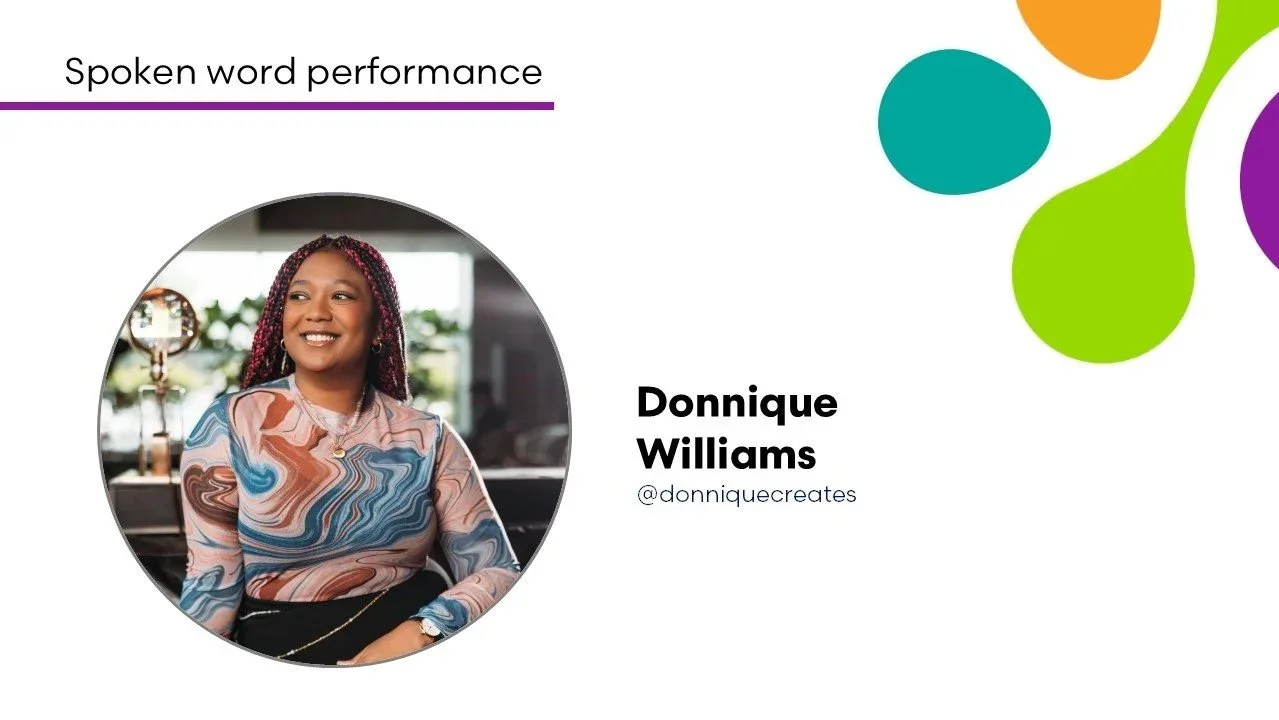
September 2024 - WRCF hosted an in-person Do More Good Dialogue: Reweaving Our Social Fabric. We asked Donnique Williams to perform an original spoken word poem called "The Reason". If you would like to learn more about Donnique, visit donniquecreates.
-
![]()
Report: 1,300 people, 54 discussions – LOTS of connections and conversations happened at the 2024 On the Table led by WRCF
September 2024 - Release of On the Table Report - 2024 Reflections & Insights about Waterloo Region.
-
![]()
Presentation and Panel Discussion: Reweaving Our Social Fabric
September 2024 - WRCF’s President & CEO, Eric Avner, welcomed guests to Catalyst137 for an event linked to social infrastructure. Below, you will find a recording of the Keynote presentation followed by a panel discussion, as well as a recording of a spoken word performance by Donnique Williams.
-
![]()
Blog: It's Fall – Can you feel momentum in the air?
October 2024 - WRCF's President & CEO, Eric Avner, shares his thoughts on the past couple of months, highlighting some key accomplishments that WRCF and our partners have undertaken.
-
![]()
Report: An Infrastructure to Build Community
May 2024 - Cover story in the Greater KW Chamber of Commerce’s May / June edition of the Chamber Advocate.
-
![]()
Blog: Finding Our Place in a Growing Region
June 2024 - WRCF's President & CEO, Eric Avner, shares his thoughts on our recent On The Table event and the population growth in Waterloo Region. He also highlights Reception House for its work on social infrastructure, particularly through its New Canadian Art Program.
-
![]()
Blog: Strengthening Connections Through Social Infrastructure
May 2024 - Social infrastructure often goes unnoticed yet is central to our wellbeing. We asked our consultant, Steven Ayer from Common Good Strategies, to share some additional data and insights about social infrastructure.
-
![]()
Blog: Exploring, Learning, and Investing in Social Infrastructure
March 2024 - WRCF's President & CEO, Eric Avner, shares his thoughts and impressions on social infrastructure as a system of organizations, spaces, and experiences that enable people to connect with each other.
-
![]()
Blog: An Infrastructure to Build Community
February 2024 - For the second half of 2023, the Board and team of WRCF was hard at work crafting its first-ever strategic plan. WRCF's President & CEO shares some information about our new focus on social infrastructure - the bridges necessary to build trust and civic participation, to create a sense of belonging and wellbeing.
-
![]()
Blog: Six Predictions for 2026: A More Connected Waterloo Region
January 2026 - WRCF's President & CEO, Eric Avner, reflects on a world of constant change and shares six 2026 predictions for a stronger and more connected Waterloo Region.
-
![]()
Report: Signs of Success: Why Connection and Social Infrastructure Matter for Business Growth in Waterloo Region
January 2026 - This article was featured on page 20 in the Greater KW Chamber of Commerce’s January / February edition of the Chamber Advocate. Click here to view the full Advocate directly on their website.
-
![]()
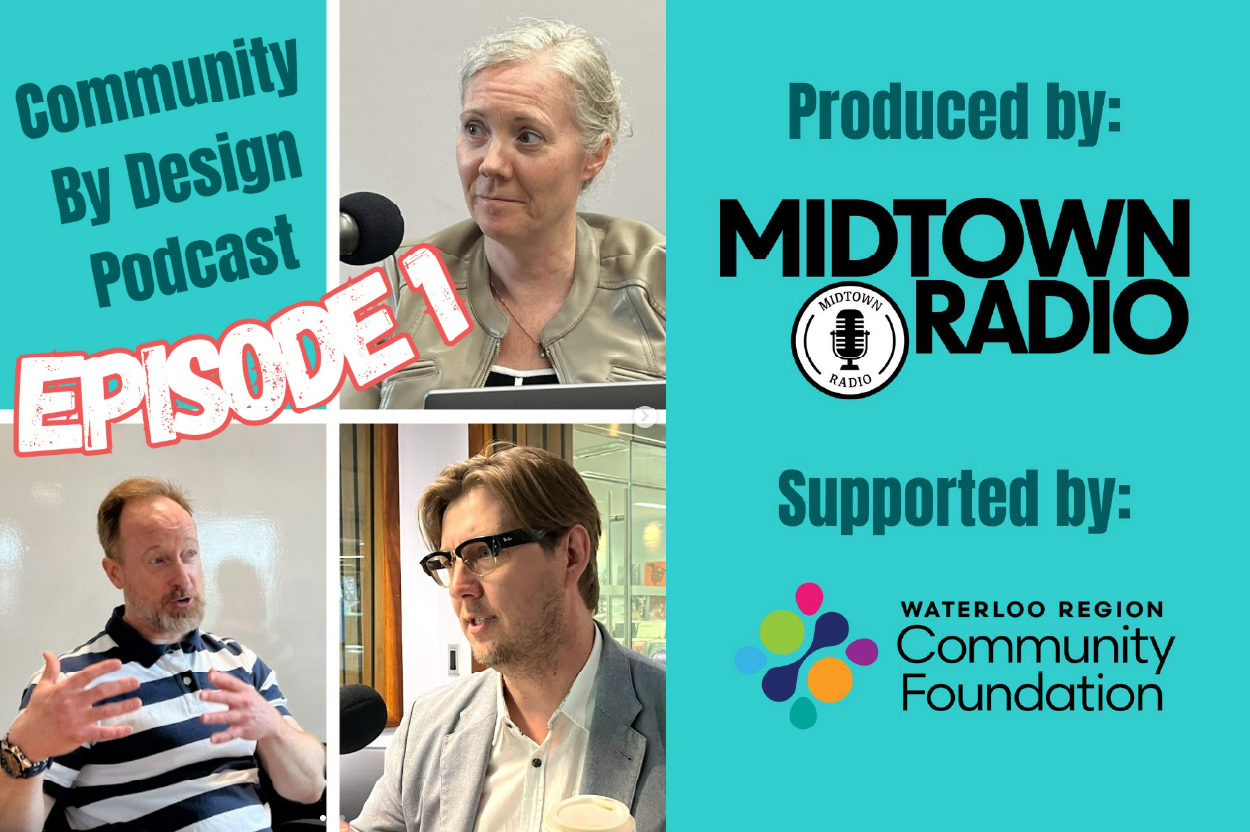
Podcast: Community by Design Episode 1 - Building Community at the Library
January 2026 - WRCF and Midtown Radio have launched a podcast series focused on social infrastructure in Waterloo Region. In episode 1, host Jay Harrison chats with Troy Glover, Nathan Stretch, and Cristina McLaren.
-
![]()
Podcast: Community by Design: Exploring Social Infrastructure
January 2026 - We’ve partnered with Midtown Radio to launch a new podcast series focused on social infrastructure. This series dives deeper into the themes from Waterloo Region’s 2025 Vital Signs® report.
-
![]()
Blog: Community. By Design and By Choice.
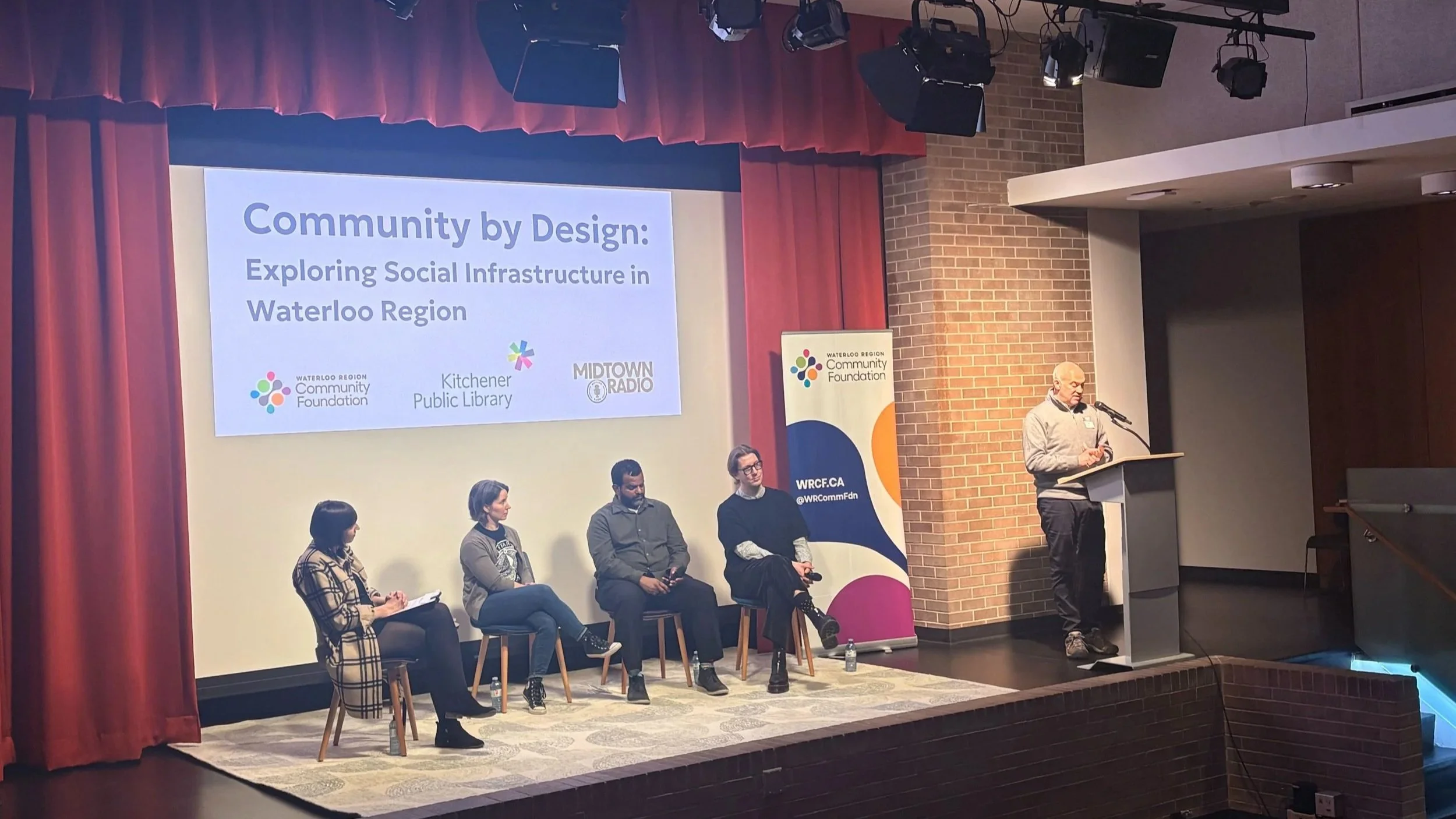
February 2026 — WRCF recently partnered with Kitchener Public Library and Midtown Radio to host a launch event for a new podcast series focused on social infrastructure. WRCF’s President & CEO, Eric Avner, reflects on the event in his recent blog, highlighting some of the themes that came from the session.
-
![]()
Blog: An Invitation to Lean In: Grants, Awards, and Opportunities
March 2026 - WRCF’s President & CEO, Eric Avner shares information about current ways to engage with WRCF.
-
![]()
Podcast: Community by Design Episode 2 - Meet Me at the Square
March 2026 - WRCF and Midtown Radio have launched a podcast series focused on social infrastructure in Waterloo Region. In episode 2, host Jay Harrison chats with Ryan Lok, Jeyas Balaskanthan, Scott Higgins, and Sheri Roberts.
-
![]()
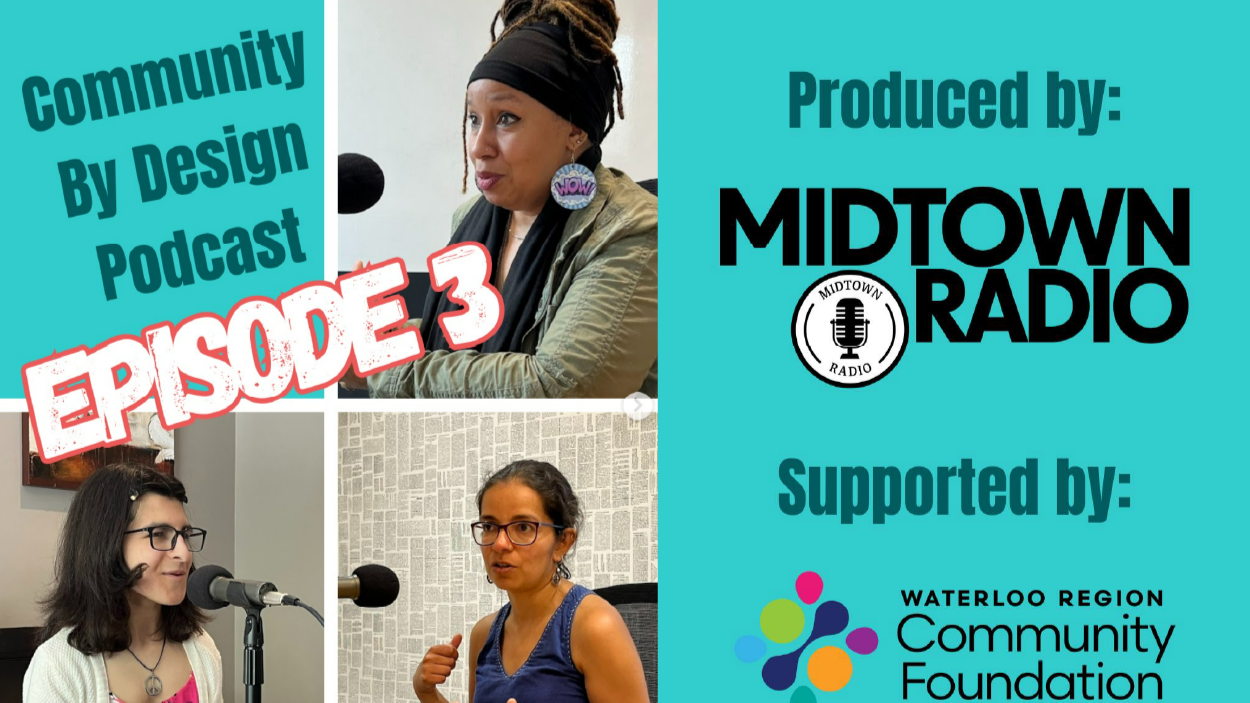
Podcast: Community by Design Episode 3 - I Can Tell That We Are Going to Be Friends: Schools as Havens
April 2026 - WRCF and Midtown Radio have launched a podcast series focused on social infrastructure in Waterloo Region. In episode 3, host Jay Harrison chats with Laura Mae Lindo, Quinn Palmer and Taarini Chopra.
-
![]()
Blog: Learning by Doing: How We Turned an Investment Decision into a Community Learning Opportunity
April 2026 - WRCF’s President & CEO, Eric Avner reflects on the full Impact Fund Forum process—what we built, what we learned, and why convening and clarity matter—as part of our ongoing commitment to learning by doing in impact investing.
-
![]()
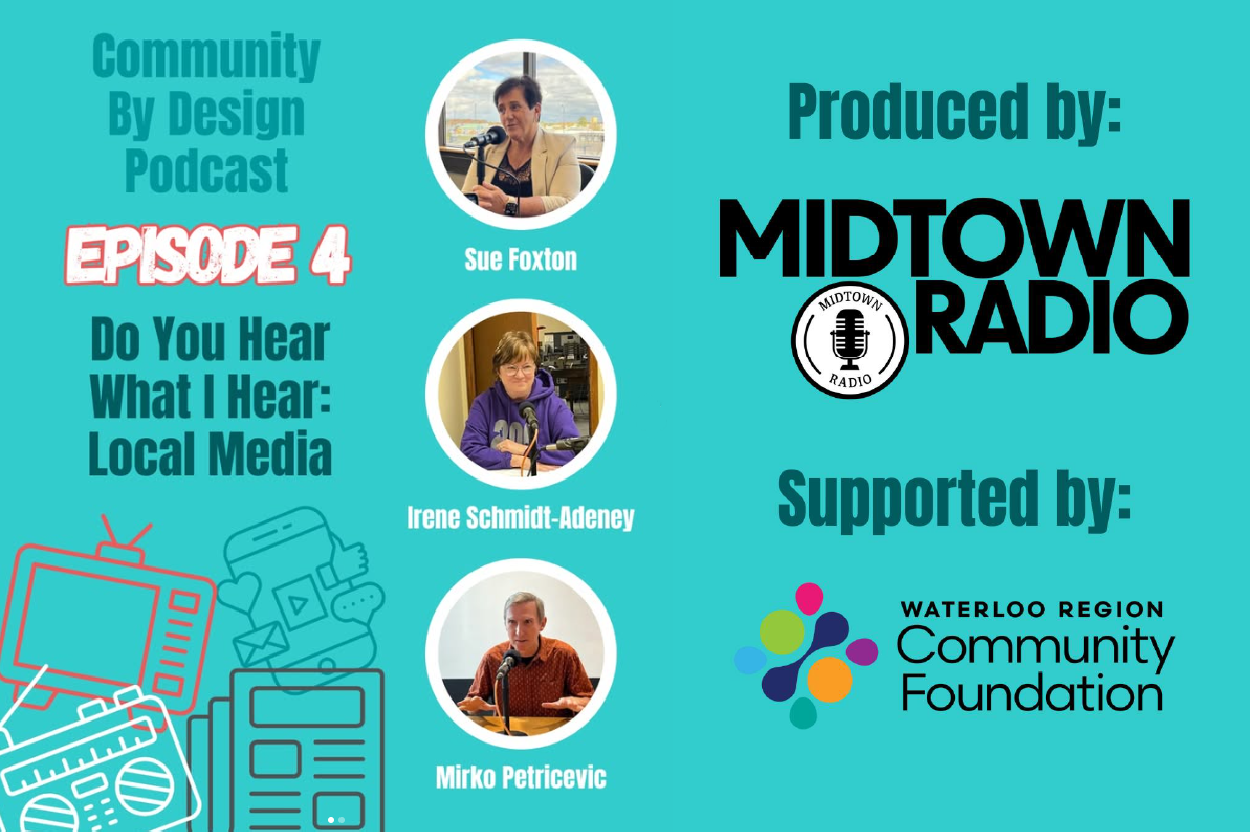
Podcast: Community by Design Episode 4 - Do You Hear What I Hear: Local Media
May 2026 - WRCF and Midtown Radio have launched a podcast series focused on social infrastructure in Waterloo Region. In episode 4, host Jay Harrison chats with Mirko Petricevic, Irene Schmidt-Adeney, and Mayor Sue Foxton.
-
![]()
Blog: What if we put Play first?
May 2026 - WRCF's President & CEO, Eric Avner, reflects on prioritizing play and how well-designed spaces bring people together.
-
![]()
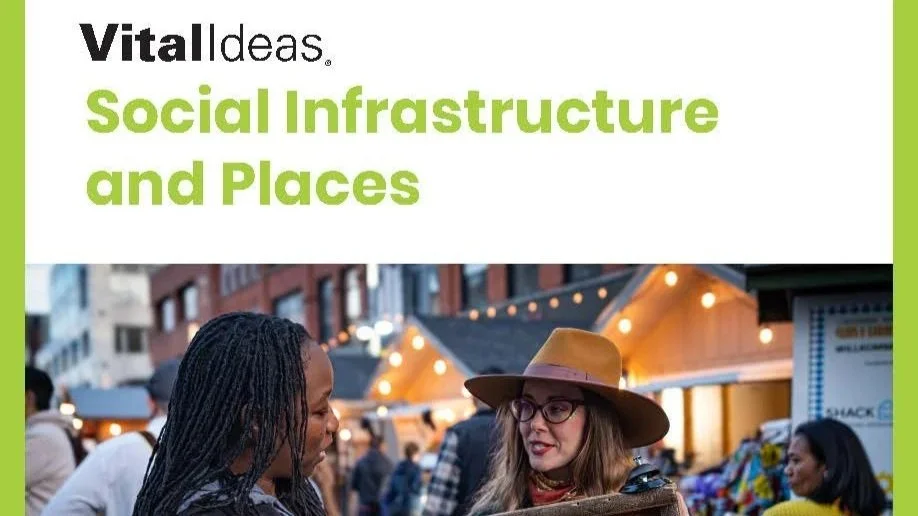
Report: Vital Ideas®: Social Infrastructure and Places
June 2026 - In 2026, WRCF published a Vital Ideas® Report focused on Social Infrastructure and Places. Written in partnership with Lead Author and Researcher Dr. Troy Glover, it includes research, community stories, and actions you can take.
-
![]()
Blog: 100 Million Reasons to Believe in Waterloo Region
June 2026 - WRCF's President & CEO, Eric Avner, reflects on our recent Do More Good Dialogue event and celebrates a big milestone for WRCF and the community.
-
![]()
Podcast: Community By Design Episode 5: Won’t You Be My Neighbour
July 2026 - WRCF and Midtown Radio have launched a podcast series focused on social infrastructure in Waterloo Region. In episode 5, host Jay Harrison chats with Kim Fowler, Chanelle Martin, and Sam Nabi.
-
![]()
Blog: When a Voice Goes Silent
July 2026 - With the news about 570 NewsRadio closing, our President & CEO, Eric Avner, reflects on what it means to lose a local media voice - and why local news matters as social infrastructure for a healthy, connected community.