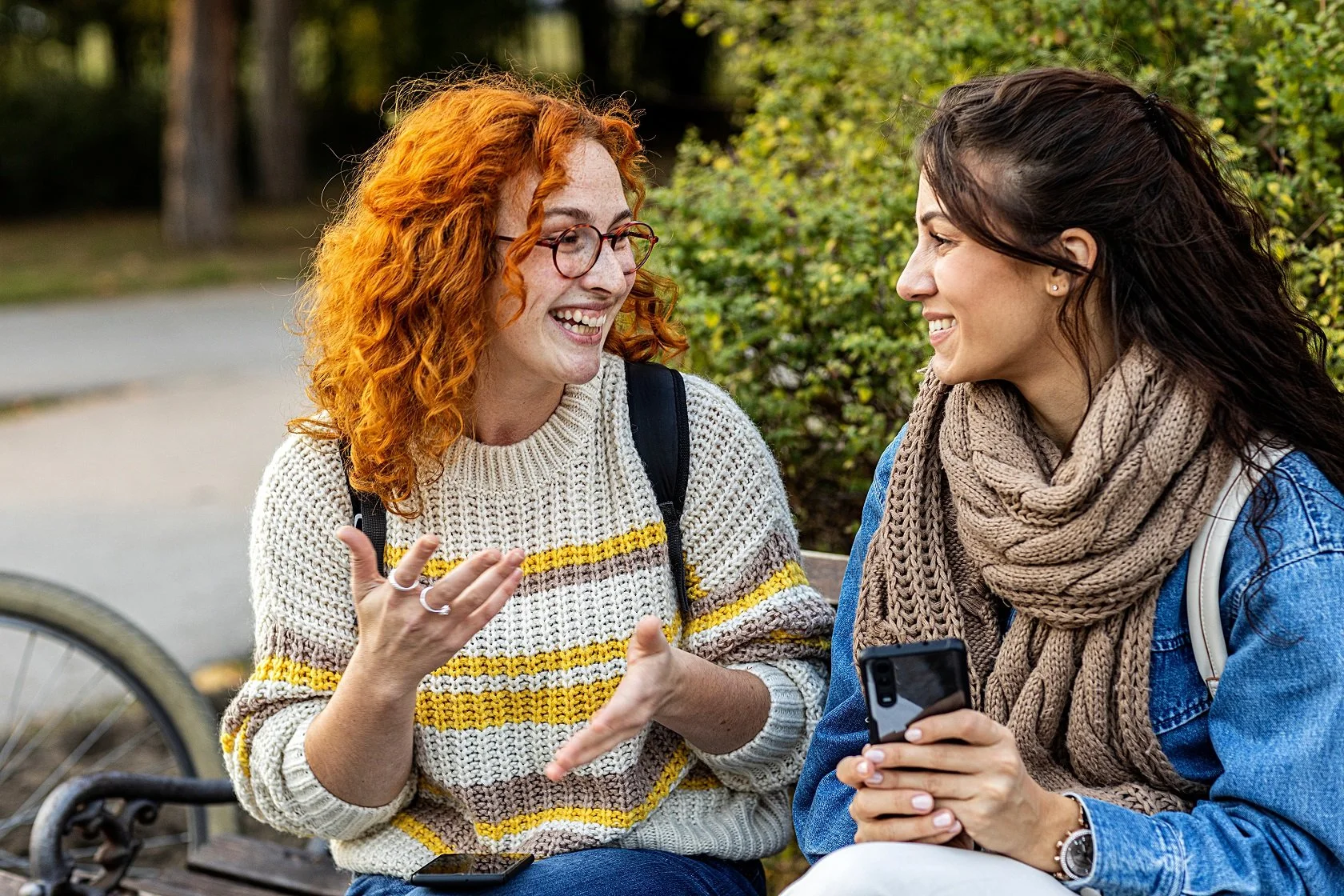
Social infrastructure is the heartbeat of a thriving community. As Waterloo Region continues to evolve, the strength of our social infrastructure will shape not only how we grow, but how we flourish together.
Waterloo Region Community Foundation (WRCF) defines social infrastructure as “the system of organizations, spaces and experiences that enable people to connect with each other, the bridges necessary to build trust and civic participation, to create a sense of belonging and wellbeing. It’s the system that enables sustainable widespread community development.”
Physical infrastructure is easy to spot — the bricks and mortar of daily life: homes, parks, roads, transit lines, recreation centres, sewers, power grids. Social infrastructure is the layer that gives all of that purpose. It’s the human connection point, It’s what turns a collection of neighbourhoods into a place where people feel connected, and the network of relationships, services, and supports that help people actually access and benefit from what’s been built.
Social infrastructure is WRCF’s strategic area of focus through 2027 and continues to be at the forefront of our work. One way we are moving the needle on this important area is through our grantmaking. Funding through three of our grant streams: Arts Grants, Community Grants, and Racial Equity Grants, all support initiatives linked to improving social infrastructure in Waterloo Region.
Here are five examples of projects that have been funded to support increased social connection and belonging in Waterloo Region – so everyone thrives:
Cambridge Art Galleries
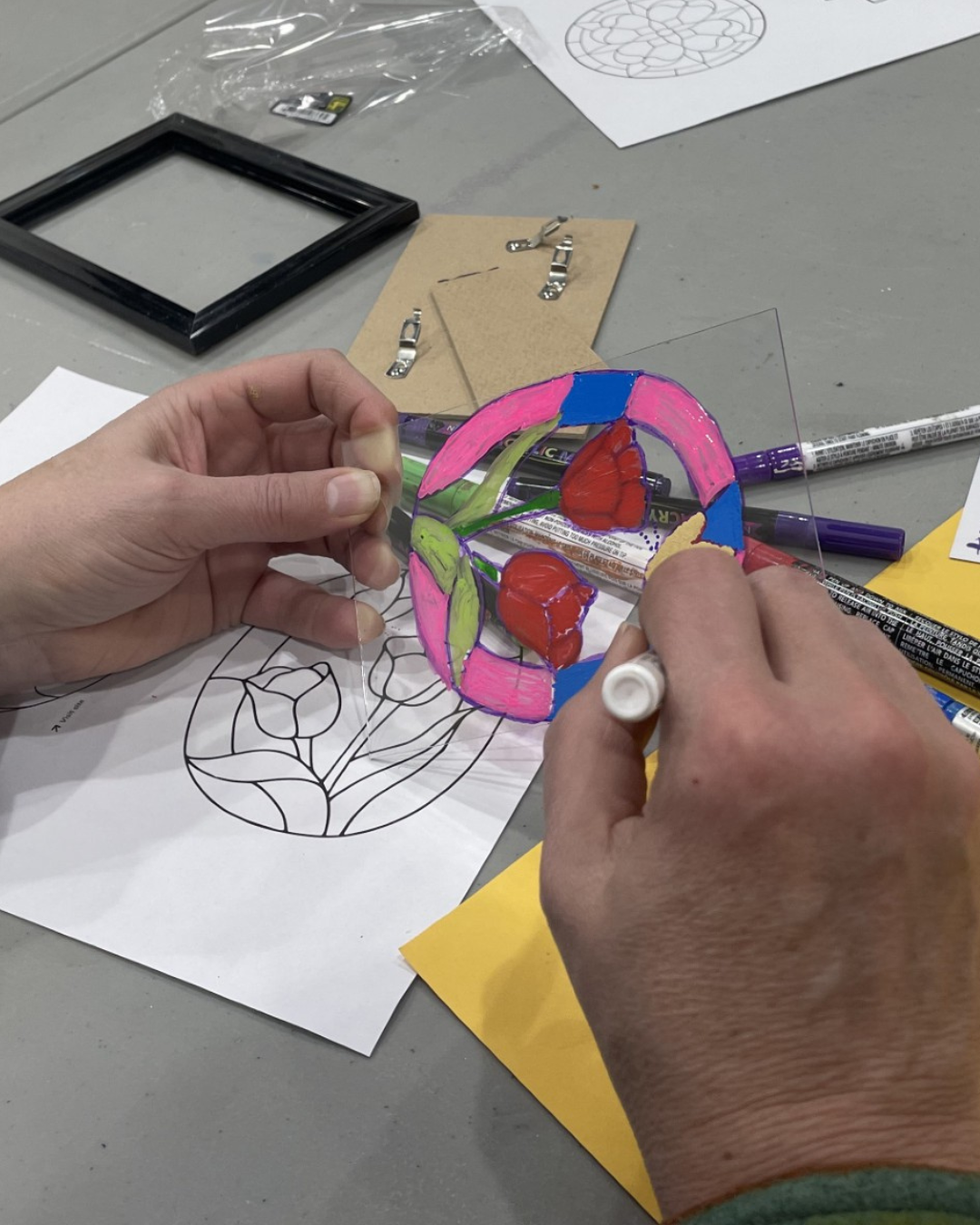
The Cambridge Art Galleries (Cambridge Public Library) serves the community daily by offering free programming, exhibitions, and events. With funding through Arts Grants, they were able to expand their Art + Wellness program. These low / no barrier workshops are led by skilled mental health professionals and artists and encourage participants to process lived experiences, explore mental health struggles, and engage in destigmatizing conversations through creative practices, meditation, and mindfulness exercises. Among their programs, they also offered a Queer Craft Circle, creating a safe space for 2SLGBTQIA+ individuals to get creative and connect.
“I participated in the felted bowl workshop held this morning. It was an absolutely wonderful experience. I am not someone who generally participates in things at this point in my life, so it was a lot of fun as well as being a great outlet to move from my comfort zone.”
For more information about Cambridge Art Galleries and their programs, visit cambridgepl.ca/cambridge-art-galleries.
Red Raccoon Bike Rescue
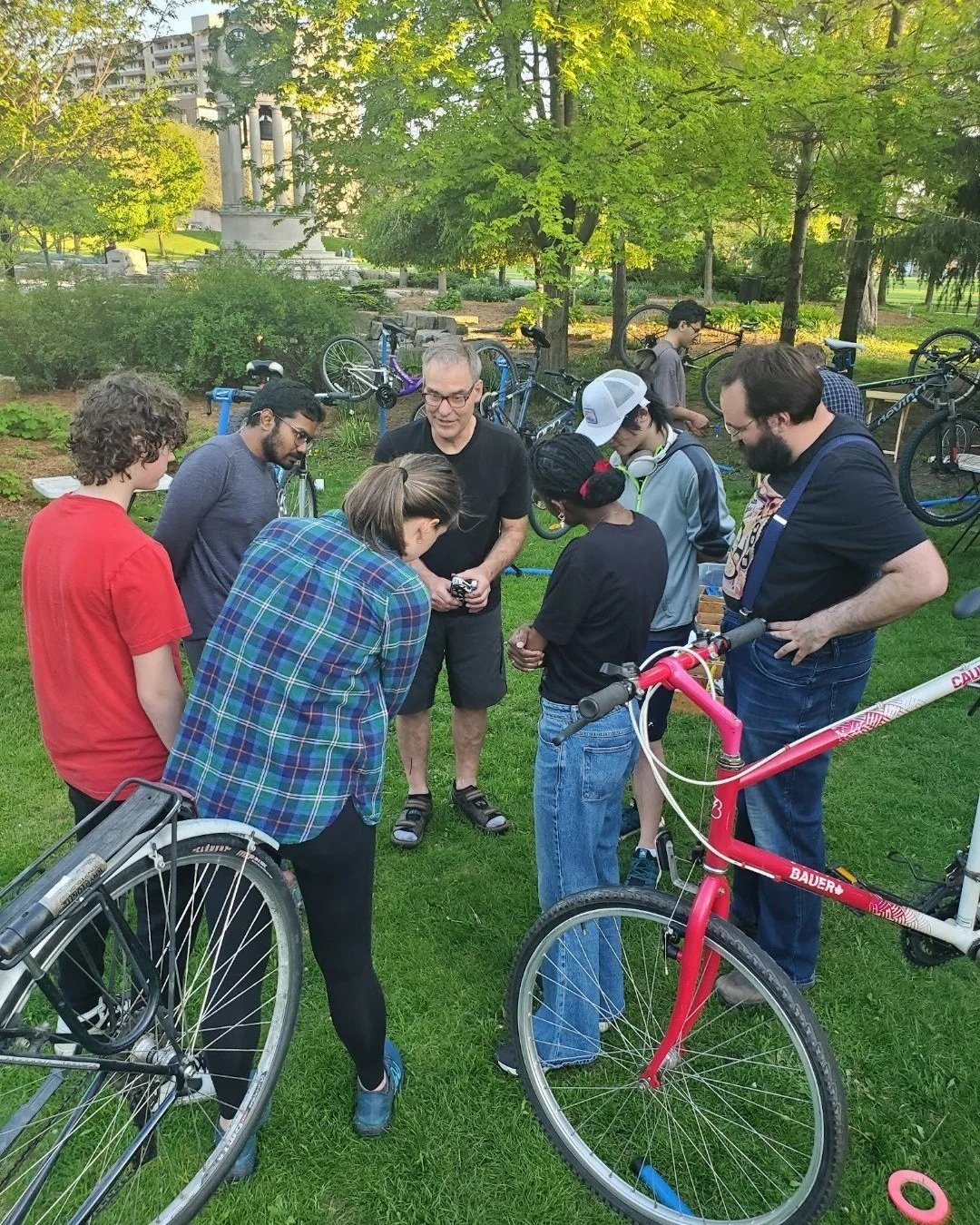
Red Raccoon Bike Rescue uses the bicycle as a tool for building community power and individual autonomy. With funding through Community Grants, they carried out a Service Expansion and Volunteer Training. This allowed them to…
Support 2,003 people in repairing their bikes
Give away 108 bikes
They were also able to help 36 people learn to ride a bike, including one person who is now a volunteer who assists with training others.
“When my 9-year-old’s bicycle needed some attention and repair, my first thought was Red Raccoon Bike Rescue. They greeted us so warmly and assessed the situation, then led my child step by step through the repairs, giving them full autonomy and control. My child picked up every tool, turned every screw, and did the whole repair by themselves, following the instructions given. While it may seem like a small thing, because they could have simply repaired the bike without engagement, this actually teaches my child confidence and independence; they have helped their friends with chains and brakes, and I’m grateful for not only the service and repair, but the knowledge and encouragement they passed on to my child.”
For more information about Red Raccoon Bike Rescue and the services they offer, visit redraccoon.org.
The Humane Society of Kitchener Waterloo & Stratford Perth
The Humane Society of Kitchener Waterloo & Stratford Perth supports over 500,000 people and their pets across 13 municipalities in Waterloo Region and Perth County at its two locations. They received funding from Community Grants for their No Cost Veterinary Outreach for Vulnerable People in Waterloo Region program.
The bond between people and their pets is often a vital source of emotional stability, companionship, and purpose – and knowing a beloved pet is cared for can relieve anxiety and reduce stress. By providing veterinary services at no cost, the program allowed people to keep their animals healthy without sacrificing other essential needs, such as food, housing, or their own medical care.
One component of their Veterinary Outreach program is a Pet Pantry:
“The amazing Pet Pantry at the HSKWSP isn’t just a place to grab food for my Dalmatian, Stella and my other pets. It’s where I’m reminded of the kindness and dedication in the community. Every month, volunteers, staff, and many others turn what could feel like a handout into an act of solidarity. They don’t just stock shelves from donations; they stock hope… This pantry isn’t charity, it’s community.”
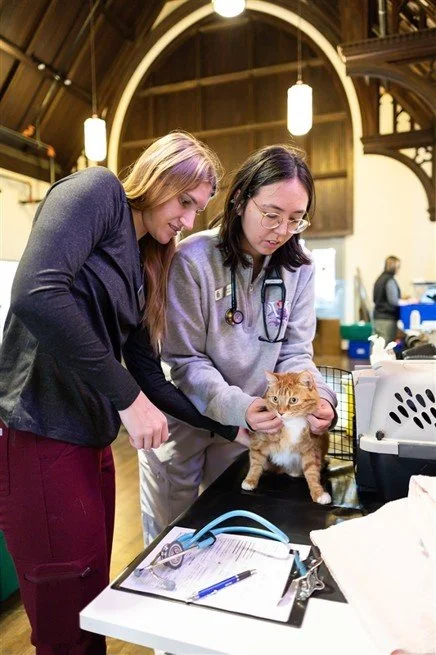
To learn more about The Humane Society of Kitchener Waterloo & Stratford Perth and their programs, visit kwsphumane.ca.
Rohingya Centre
The Rohingya Centre provides resettlement services, community rebuilding programs, as well as emergency assistance with housing, healthcare and education of Rohingya newcomers and refugees in the region. With funding through Racial Equity Grants, they were able to provide a Rohingya Language Program for Rohingya children in Waterloo Region.
The program was carefully planned to provide children with structured, engaging, and culturally relevant lessons in the Rohingya language. Activities include storytelling, reading and writing exercises, songs, and interactive games designed to strengthen language skills while fostering cultural pride.
“For the first time, we have been able to preserve our language. Thanks to the Rohingya Centre and the supporters of this program, our children have the opportunity to learn and use Rohingya—a language that is our only identity. We were afraid our children might lose it, but now we see hope and pride in them, and in our community.”
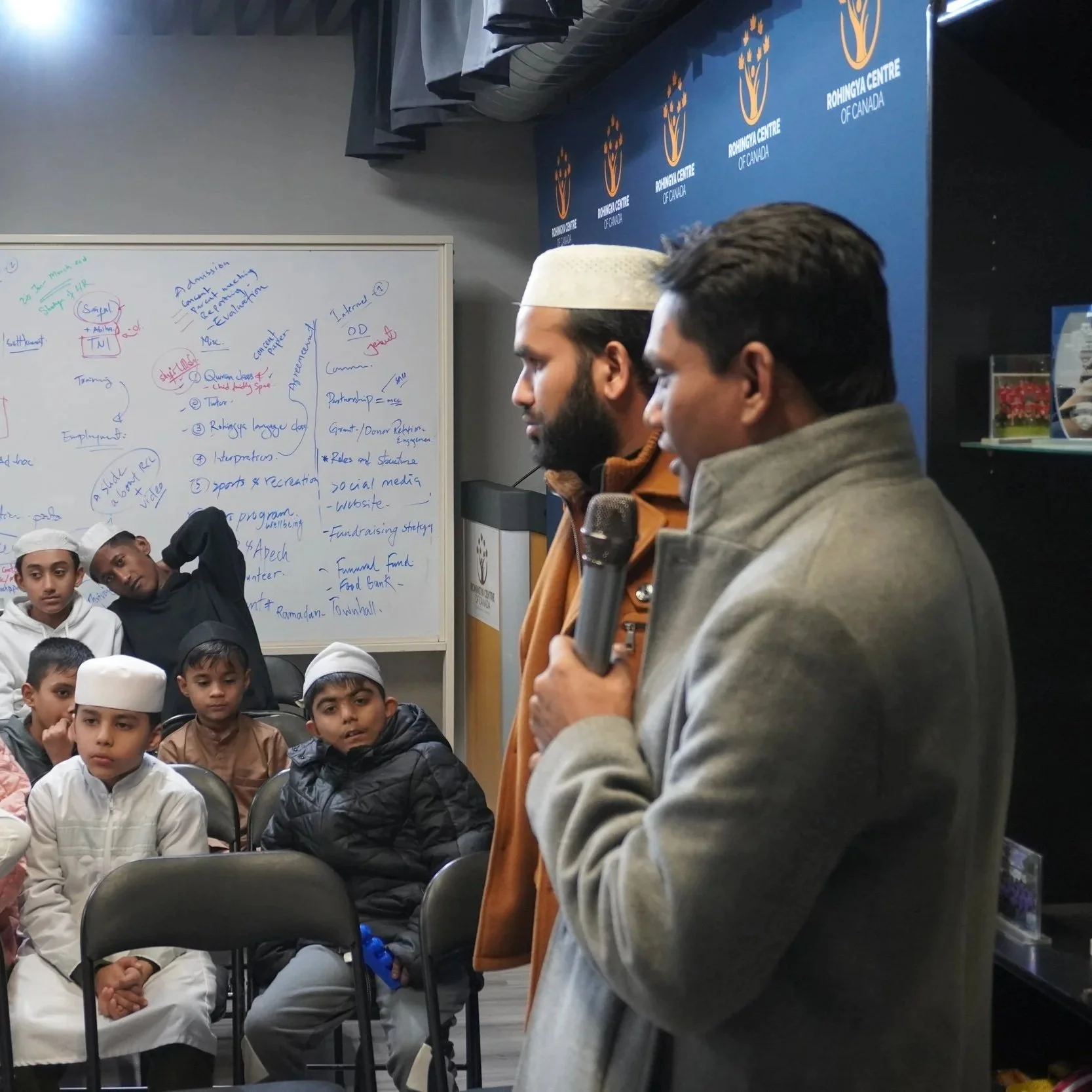
For more information about the Rohingya Centre and the services they provide, visit rohingyacentre.ca.
Wijhah Initiative
Wijhah Initiative provides inclusive, community-based programming to individuals without restriction based on faith, gender, or ethnic background. They received funding from Racial Equity Grants for Wellness Within: Empowering Muslim Youth through Holistic Mental Health. Through this program, they facilitated seven Muslim mental health educational sessions, two mental health workshops, and support sessions for moms, fathers, young professionals, and students that directly addressed stigma, strengthened emotional awareness, and equipped participants with practical tools for their wellbeing.
“I have learned so much in only 4 sessions that has had a huge impact on how I can positively manage my health.”
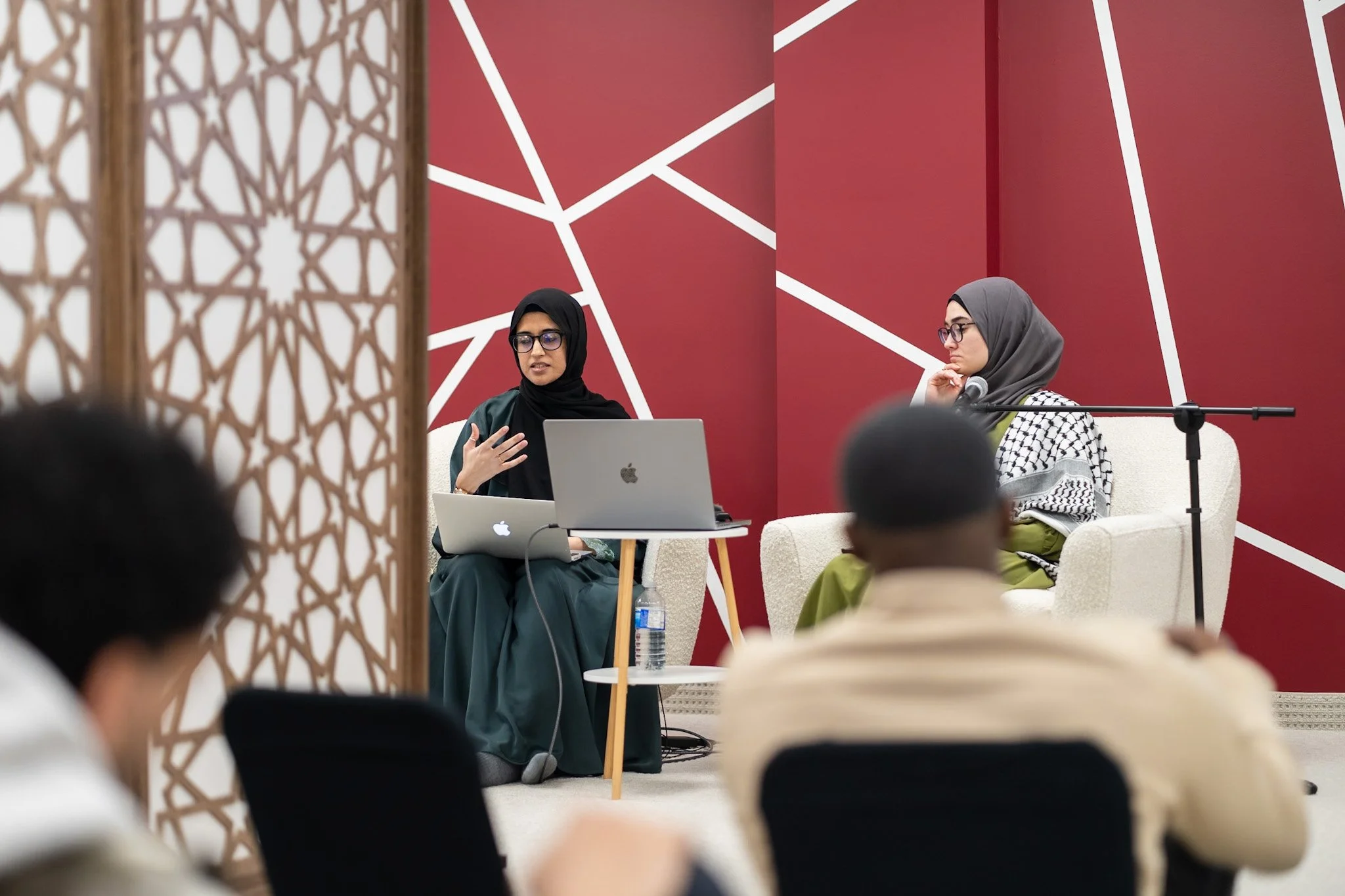
“As a social worker, I am deeply aware of the importance of mental health support, yet I was surprised by how much I personally needed culturally responsive and faith-informed therapy. When the facilitators spoke about motherhood through a culturally inclusive lens, every word resonated deeply with me. It affirmed experiences I had long carried silently. The impact of Wijhah’s work extends far beyond individual participants. Programs like “Mama and Minis” create safe, affirming spaces where immigrant and refugee women can recognize that they are not alone in their struggles.”
To learn more about Wijhah Initiative and their programs, visit wijhah.org.
WRCF’s 2026 Arts Grants, Community Grants, and Racial Equity Grants will be accepting applications between February 23, 2026, and March 30, 2026. For more information, visit wrcf.ca/about-grants.