In recent years, many community foundations across Canada have been exploring how they might engage more deeply with social finance and impact investing. I’ve been attending convenings such as the Blended Finance Summit and the Social Finance Forum, and despite our strong track record in impact investing, I know we can do more. The opportunities are compelling: the ability to align more capital with mission and impact, to support solutions at a greater scale, and to complement traditional grantmaking with tools that can recycle and reinvest over time. At the same time, the pathway into this work is not always clear. Impact funds can be complex to assess, difficult to compare, and challenging to engage with thoughtfully.
At Waterloo Region Community Foundation (WRCF), this challenge comes alongside an additional ambition. Our impact investment portfolio to date has been largely local and place‑based, focused on organizations and initiatives rooted in our community. As our interest in investing in national impact funds has grown, we wanted to explore how our next step could feel like a natural progression. We didn’t want a departure from place, but an extension of it.
Our starting point was a simple question: How could an investment decision also bring a community together to learn? WRCF was planning to invest in funds, but could we use this as an opportunity to also engage and inform community while we managed our process.
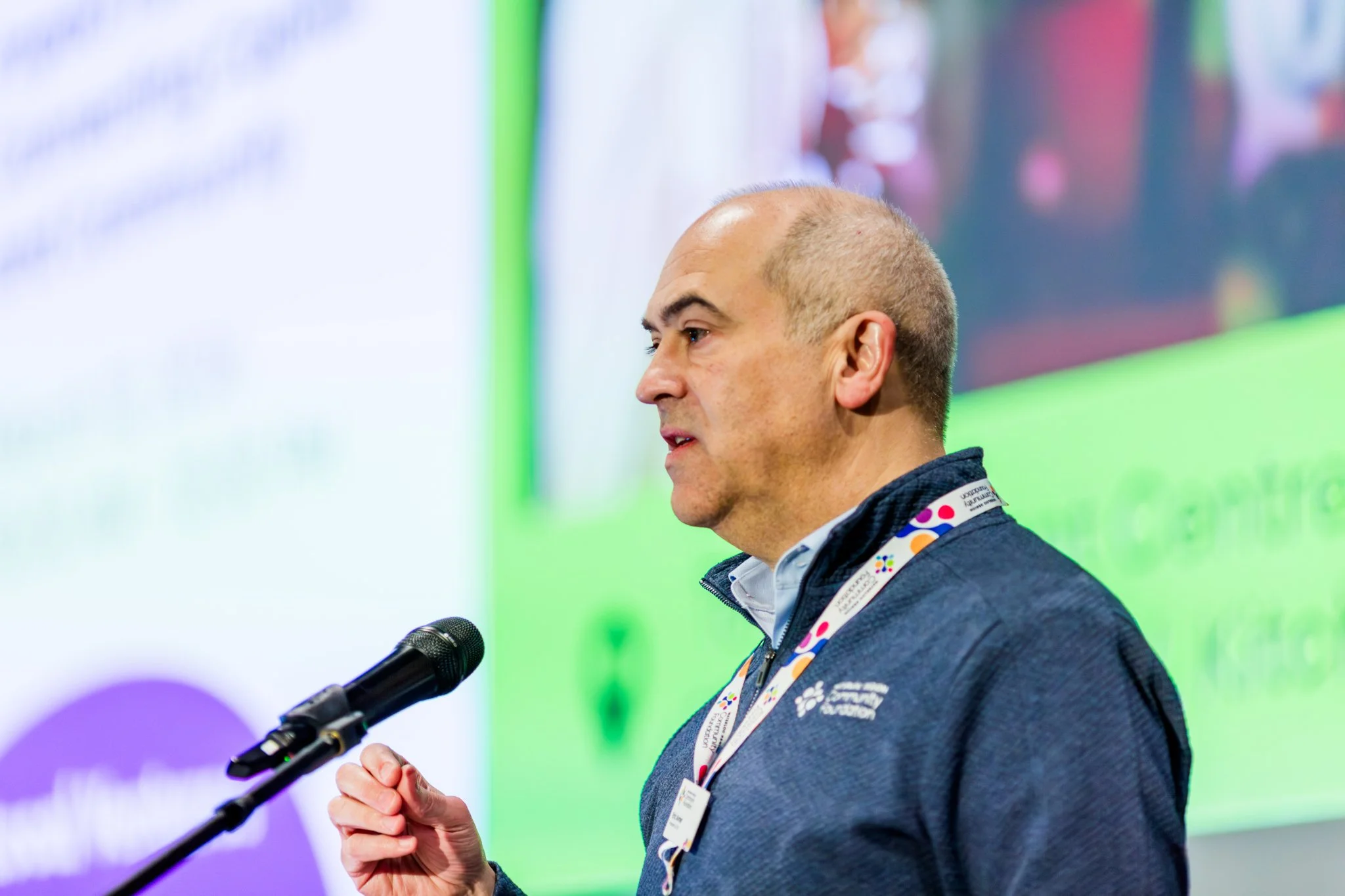
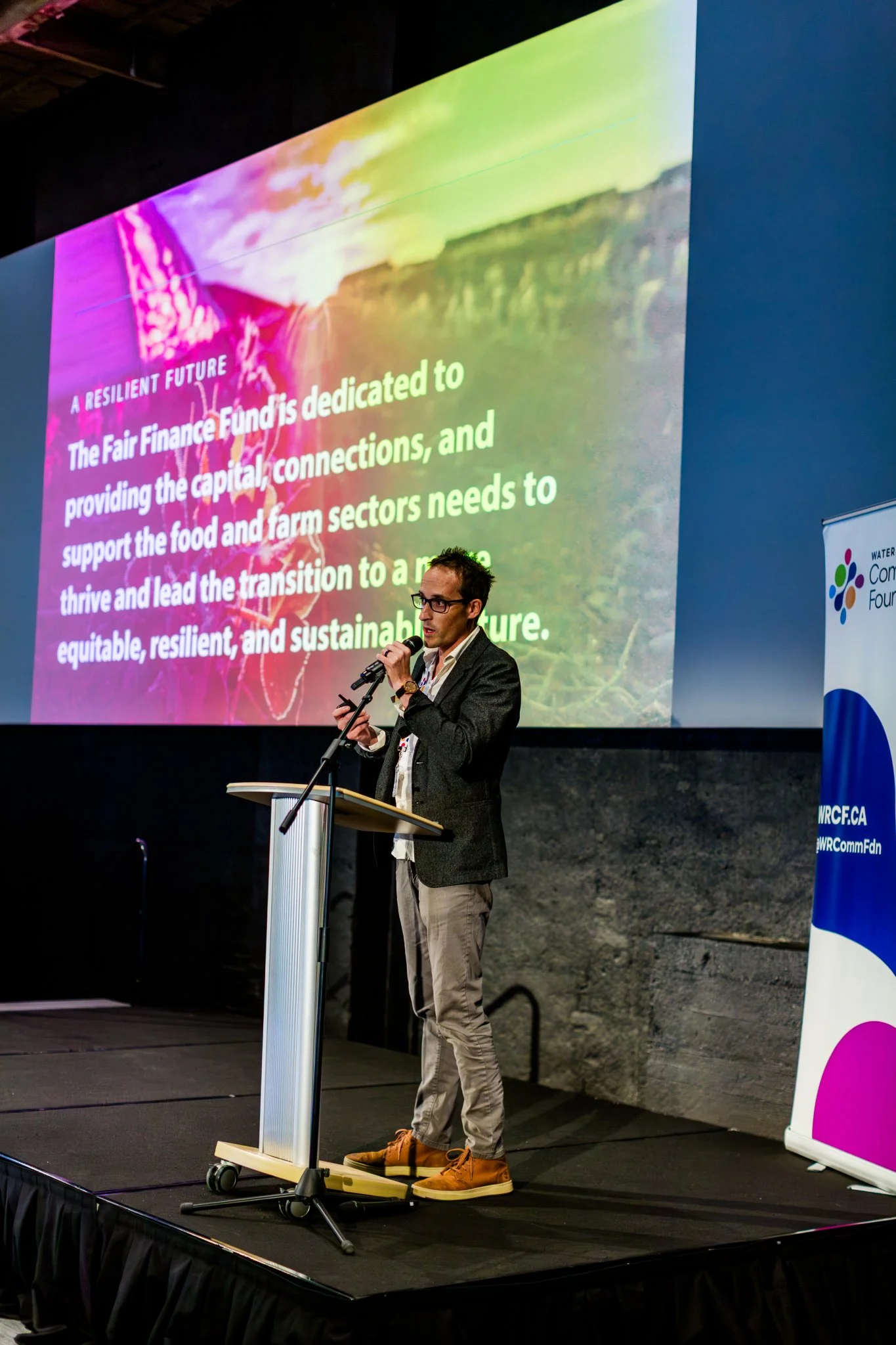
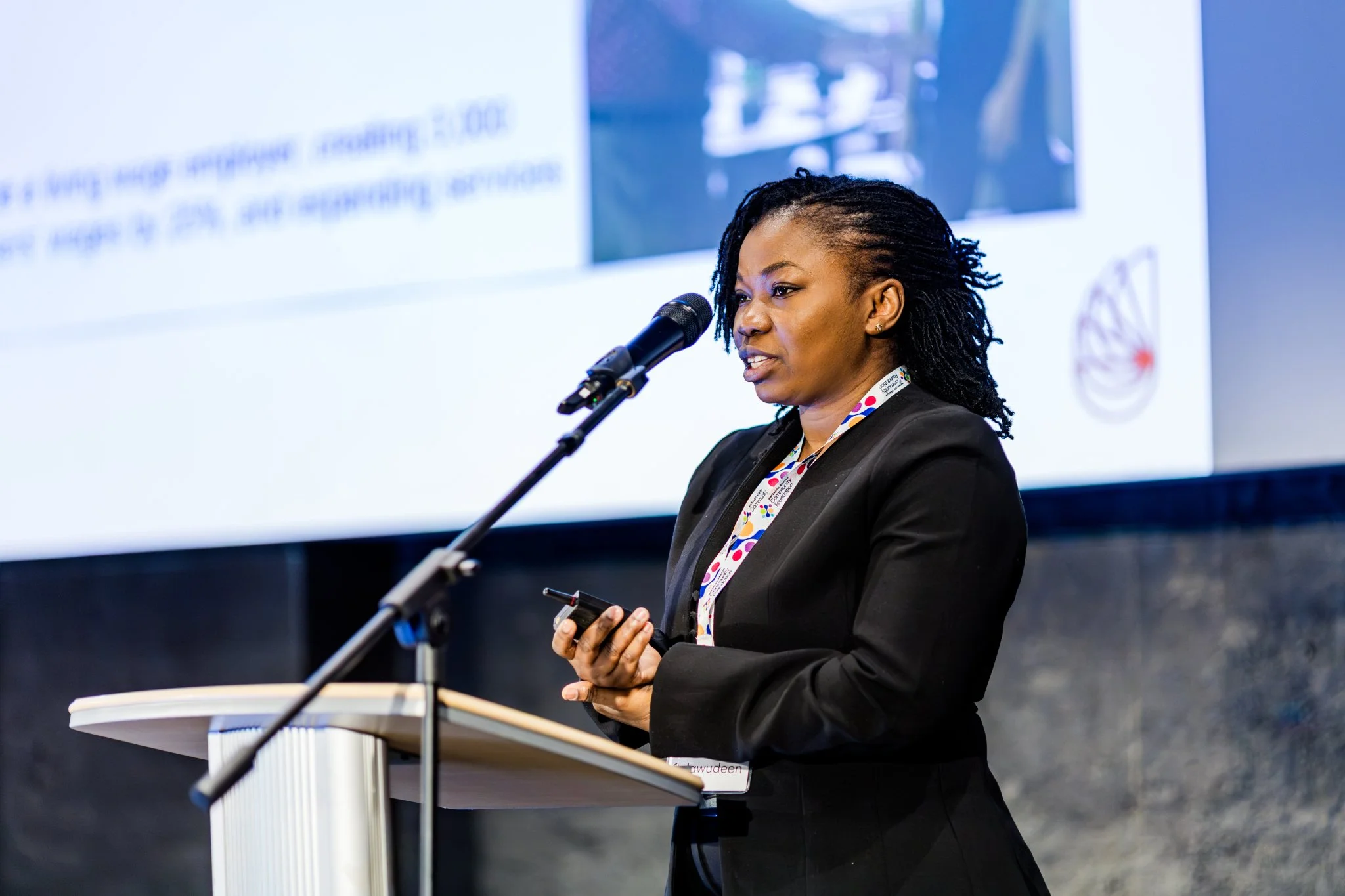
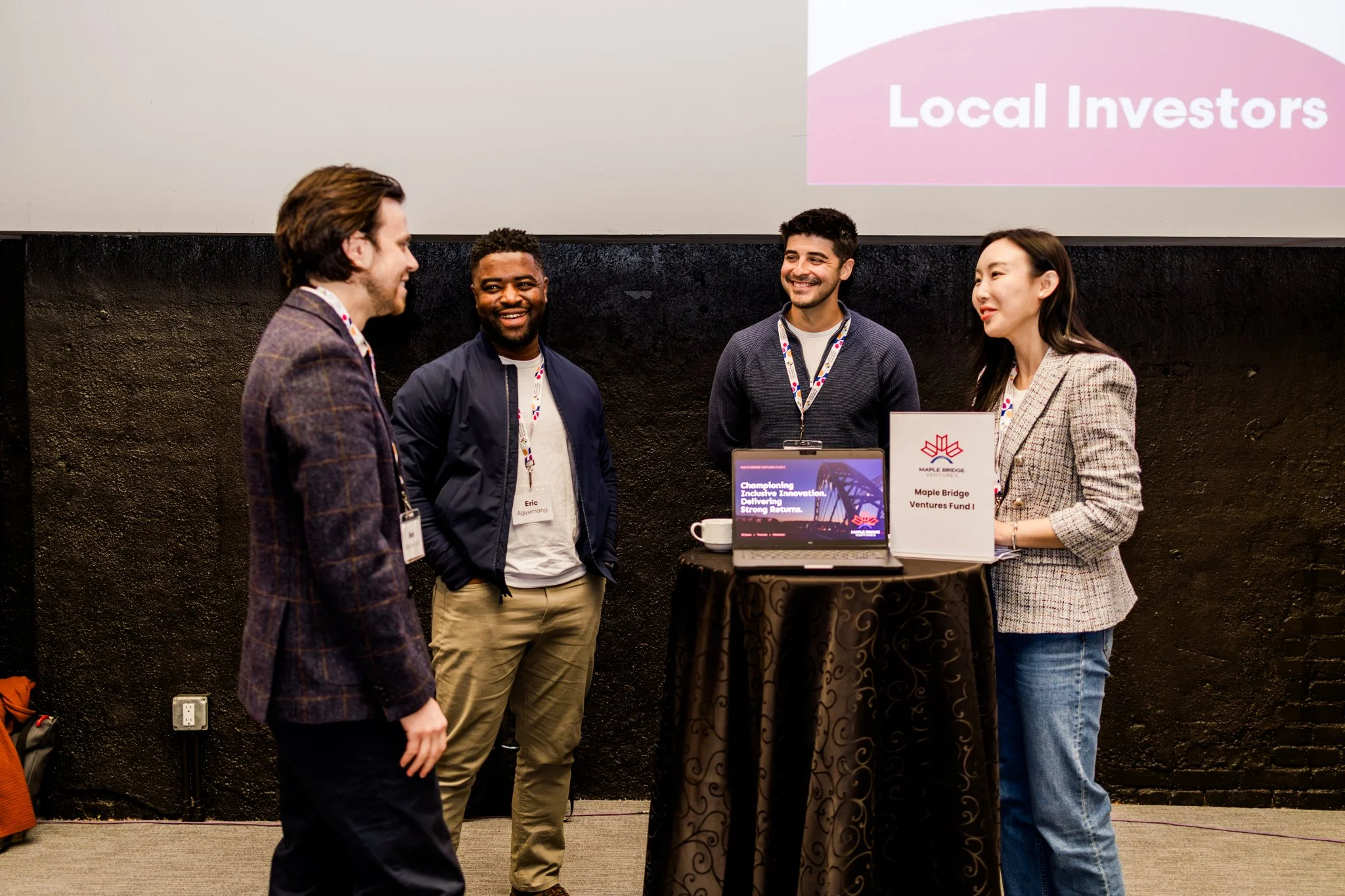
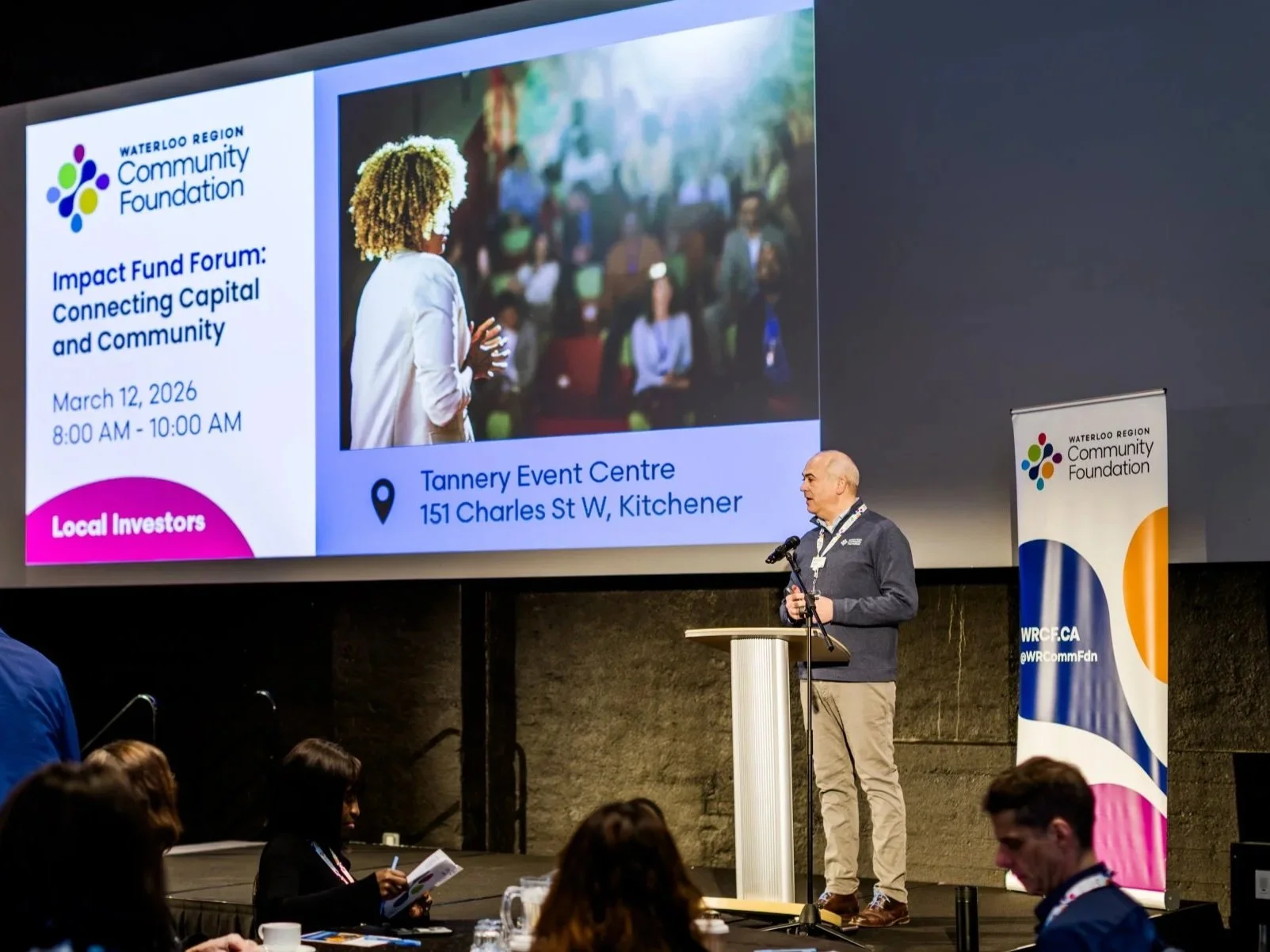
It was within this context that WRCF designed an investment selection process that would culminate in our first Impact Fund Forum, an in-person event held in Waterloo Region in March 2026. It was a chance to build and pilot a disciplined, transparent process for engaging with Canadian social impact funds, while also serving as a community convenor. Yes, we wanted to invest $1 million in three or four funds, but we also aimed to create familiarity between local institutional investors and real investable fund options, and familiarity between national funds and the robust pipeline of enterprises emerging from our region. Central to the experiment was encouraging those connections and exploring how WRCF might act as a local partner rather than a faceless investor.
From the outset, we intended this to be a first iteration. This wasn’t going to be a one-time initiative, but rather the inaugural version of an ongoing approach that evolves over time. Our goal was not to get everything perfectly right, but to design a process we could trust, follow it faithfully, and learn openly from the experience. And then we could improve the process for the next time, and the time after that.
A Process with Clarity and Shared Expectations
We began with an open call for interest, inviting a broad range of Canadian impact funds to participate in our process. We were explicit about what participation would and would not mean. We informed prospective funds that WRCF anticipated making three to four investments, each in the range of $250,000 to $300,000. We asked for completion of an initial questionnaire that included submittal of a pitch deck and an impact report. We also communicated that part of the process would involve attending an in-person event in Waterloo Region, our inaugural Impact Fund Forum.
We intentionally chose not to curate an invitation list behind closed doors. Openness mattered not only as a signal to the ecosystem, but also for us and our partners to learn about the diversity of impact fund models already operating across the country. We also wanted to introduce as many fund managers as possible to a community with a strong track record of values‑driven entrepreneurship. Thirty-two funds ultimately registered their interest.
An assessment framework was developed to evaluate which funds best aligned with our goals. While no rubric can capture every nuance, having shared criteria created a common language for evaluation and helped focus attention on content rather than polish. We looked at how clearly each fund’s mission and investment approach fit with our mission-aligned investing goals, whether the team and structure were ready to put capital to work, and whether the fund had a strong pipeline of opportunities. We also considered how well each fund could partner with WRCF in ways relevant to the needs and opportunities of our local community. The initial evaluations were conducted by a subcommittee comprised of members of WRCF’s Board, Investment Committee, Due Diligence Committee, team, and several other individuals with specific experience in impact investing.
The scoring resulted in a consensus short list of 12 funds. We proceeded to invite all 12 of those funds to the next phase, confirming their willingness to participate in the in-person Impact Fund Forum. We were clear about the parameters of the event. Funds understood in advance that not all participating funds would receive investment, however, the fund managers recognized that the event offered value well beyond a funding decision. We framed it as an opportunity to be in a room full of potential investors; to connect with entrepreneurs, accelerators, and ecosystem partners representing a robust regional channel of opportunity; and to hear directly from peer funds. Many fund managers noted that they rarely have the chance to see one another present or to learn how other impact funds articulate their strategies, so that made participating in the event as much a peer learning opportunity as an investment convening. It was evident that our upfront clarity strengthened rather than diminished participation, as all 12 short-listed funds quickly agreed to come to Waterloo Region.
What Happened at the Impact Fund Forum
The Impact Fund Forum itself was designed as two back‑to‑back sessions, each with a distinct audience and purpose. This structure reflected our belief that building a healthy impact investing ecosystem requires engagement across the full capital continuum—both with those allocating capital and those building enterprises in need of it.
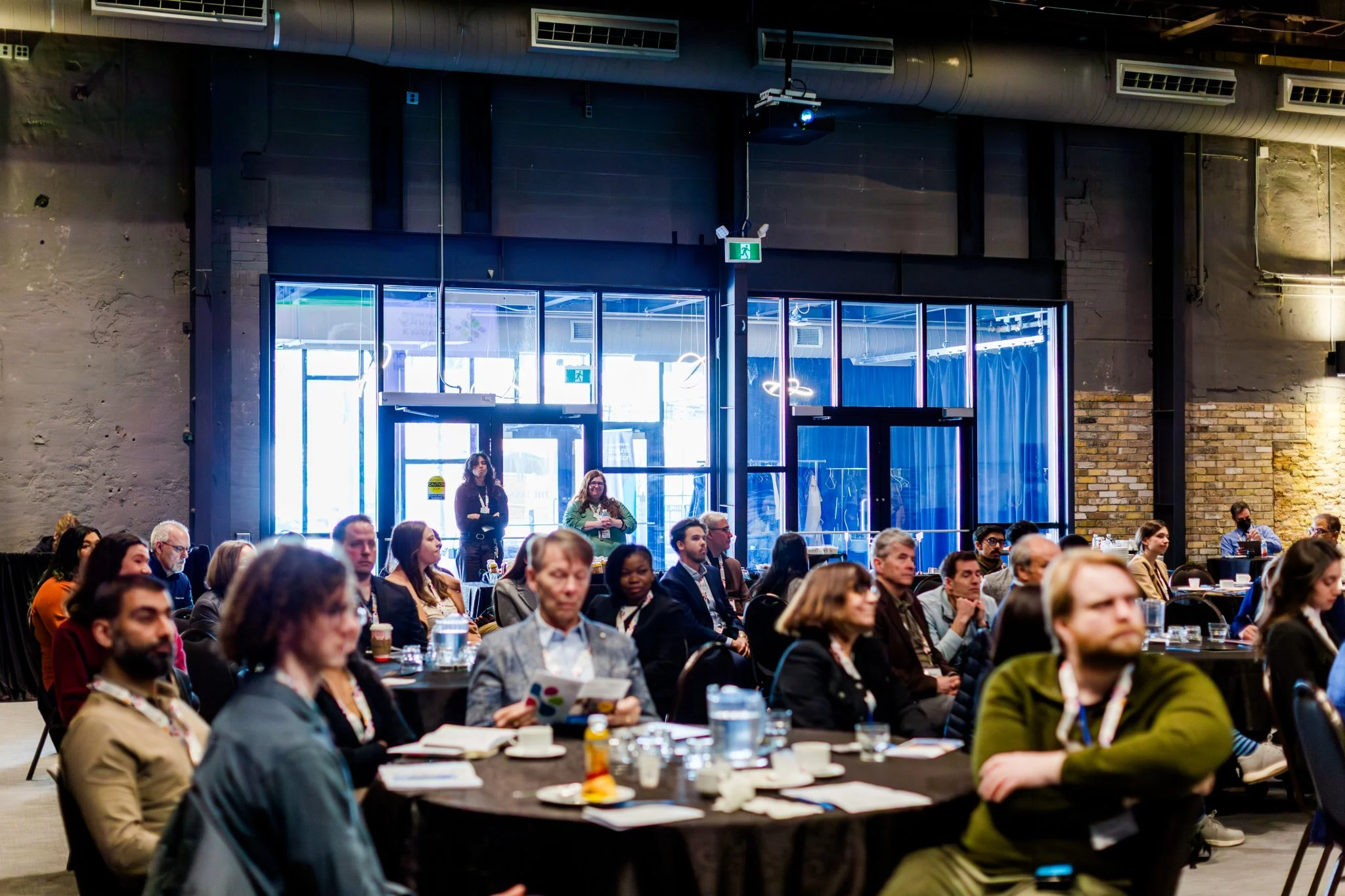
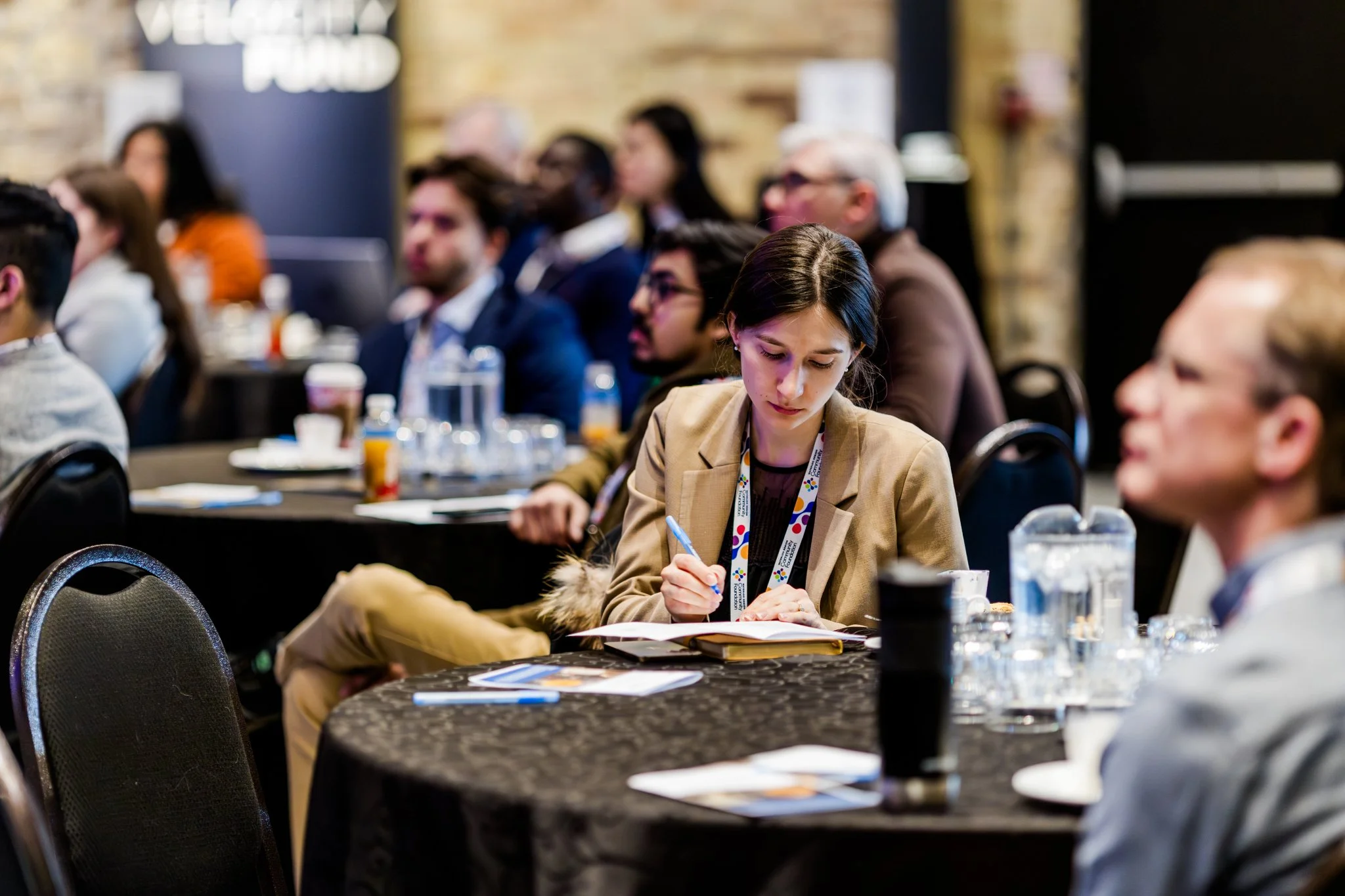
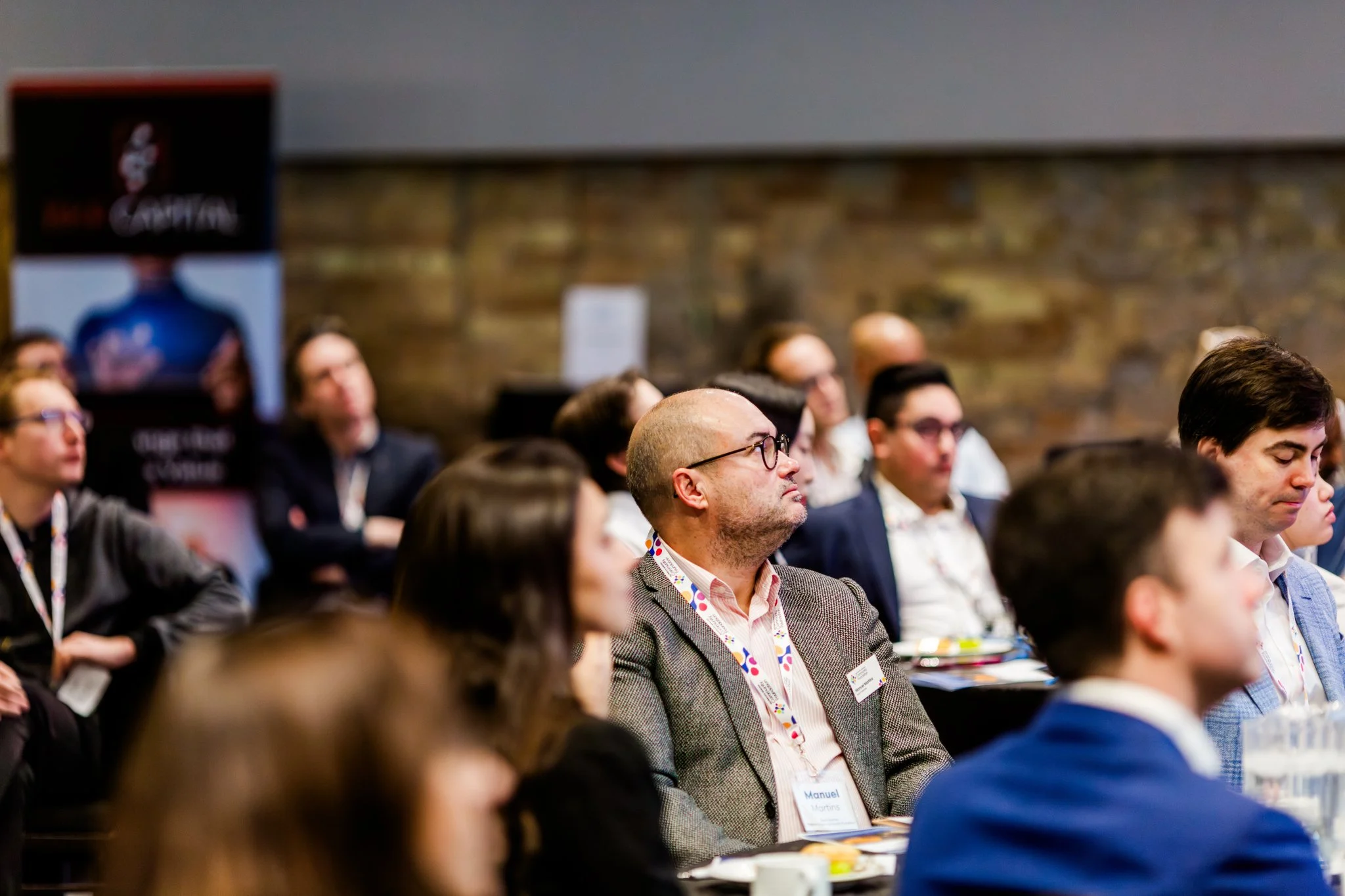
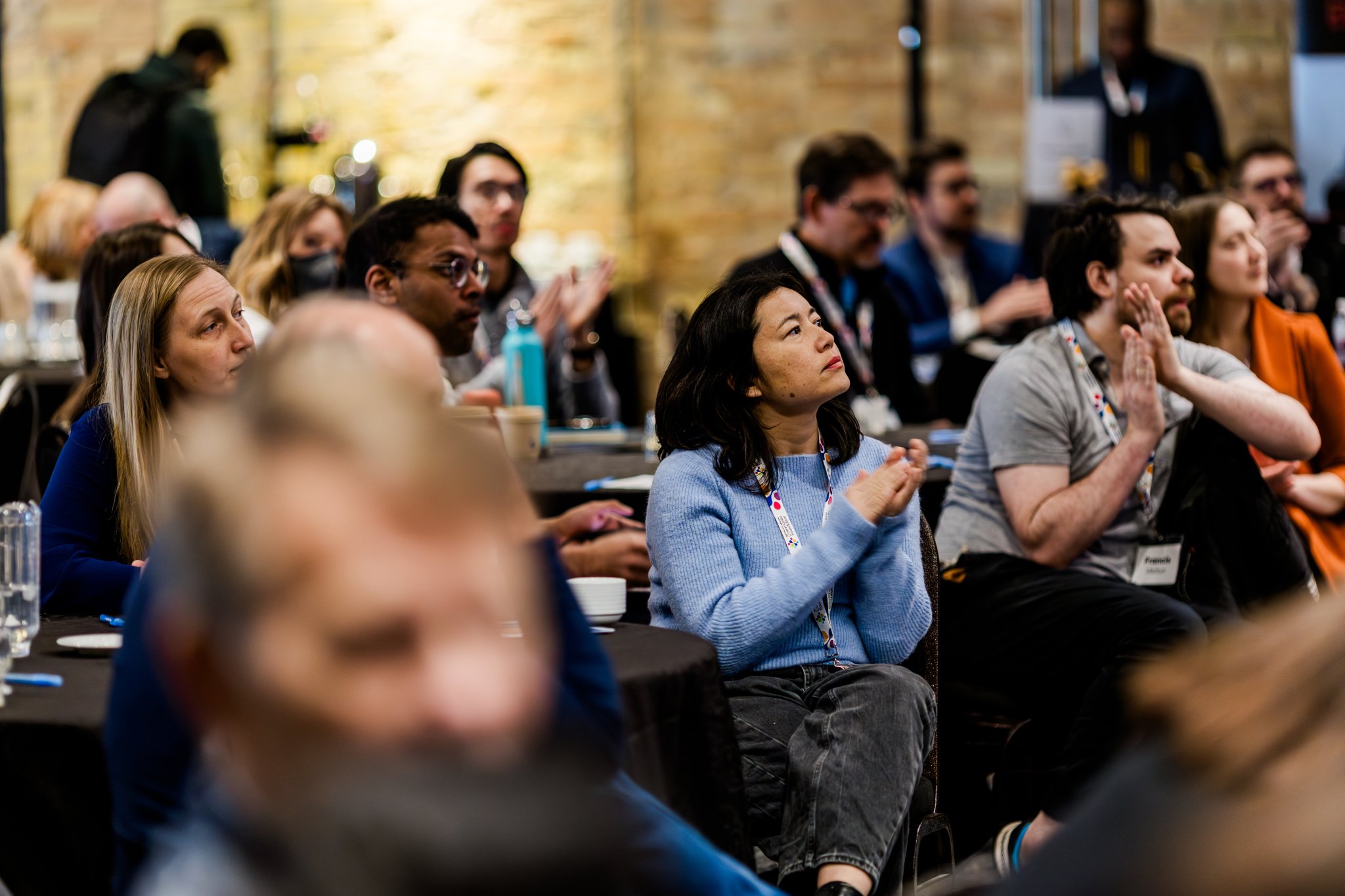
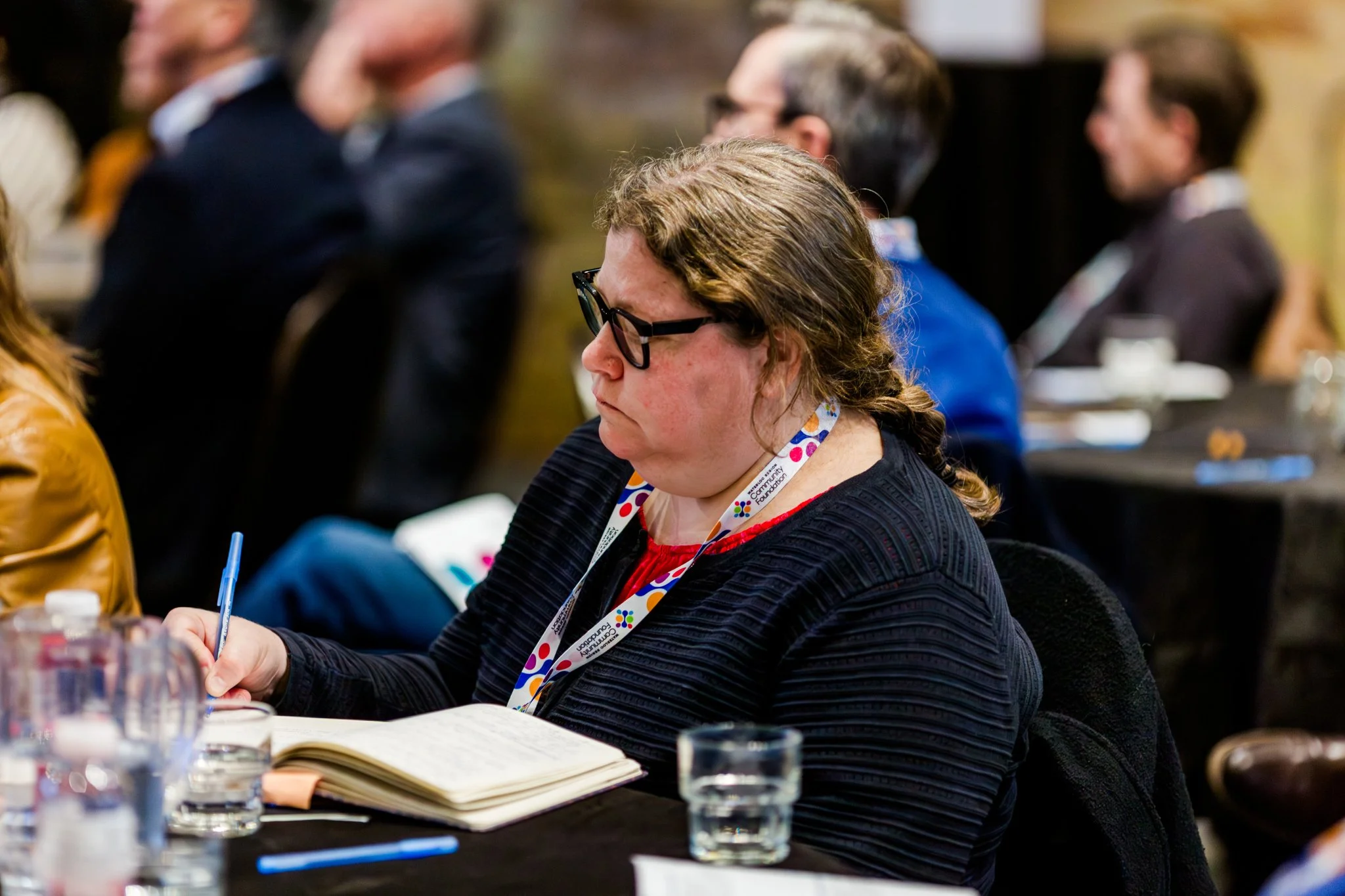
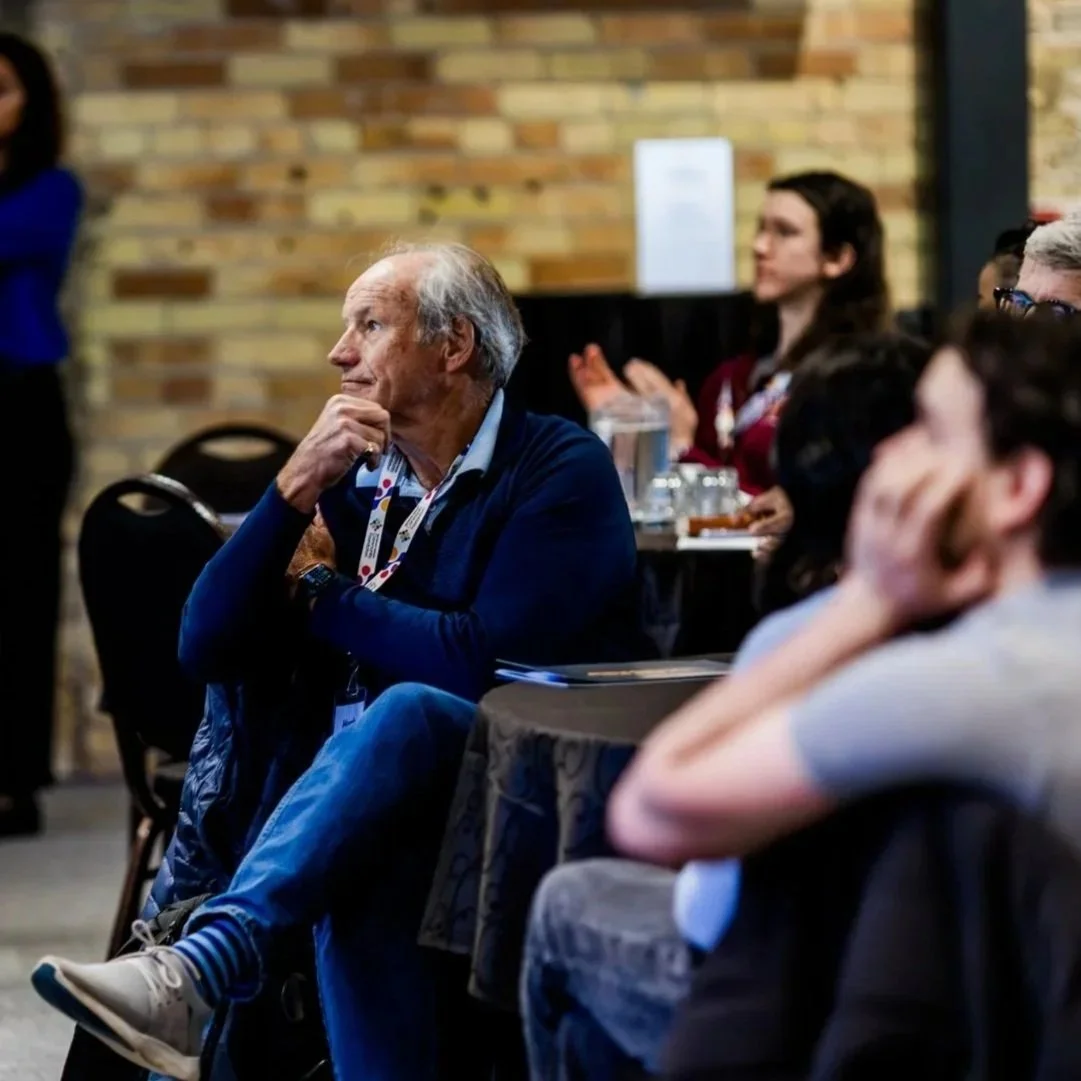
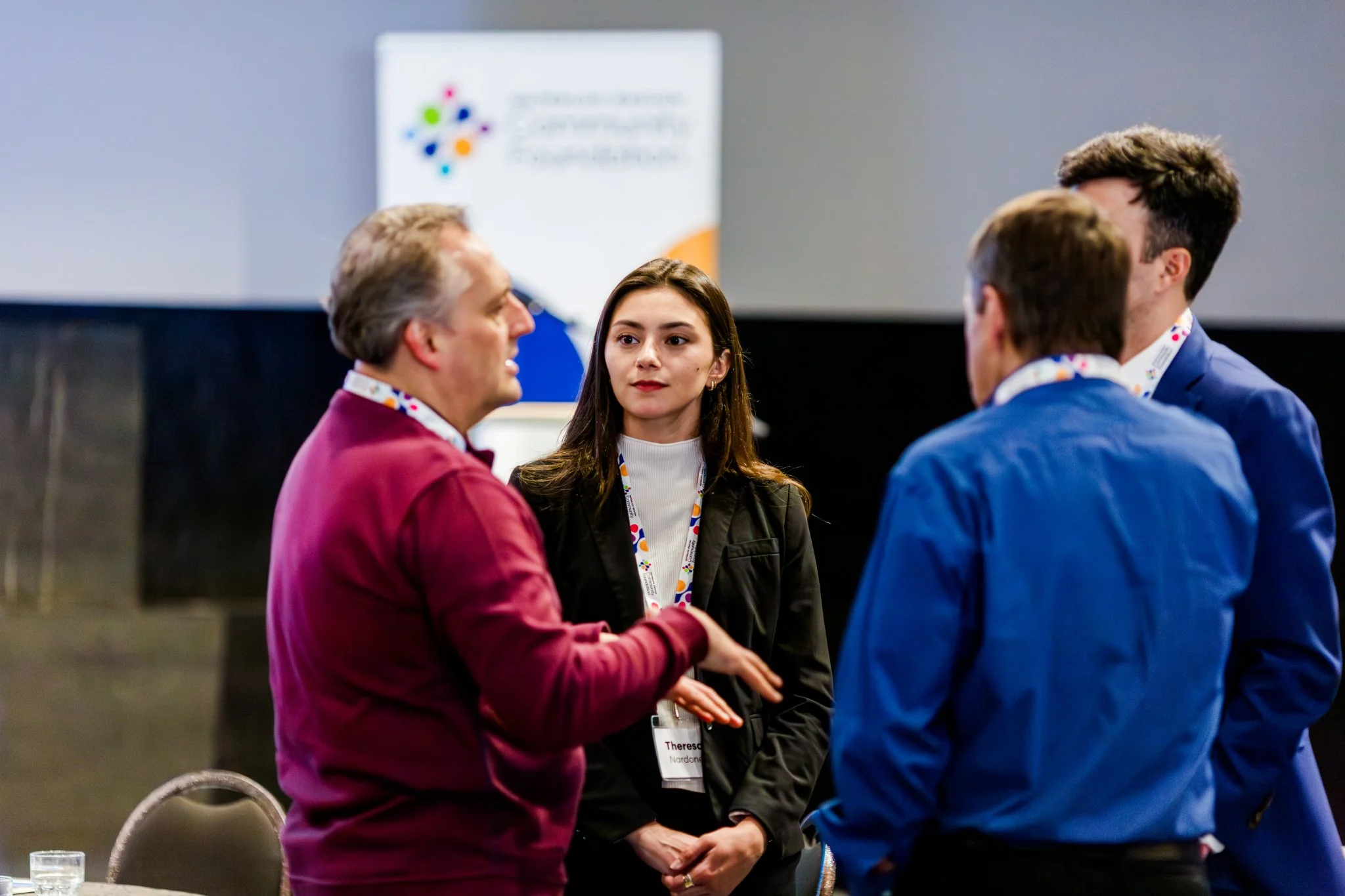
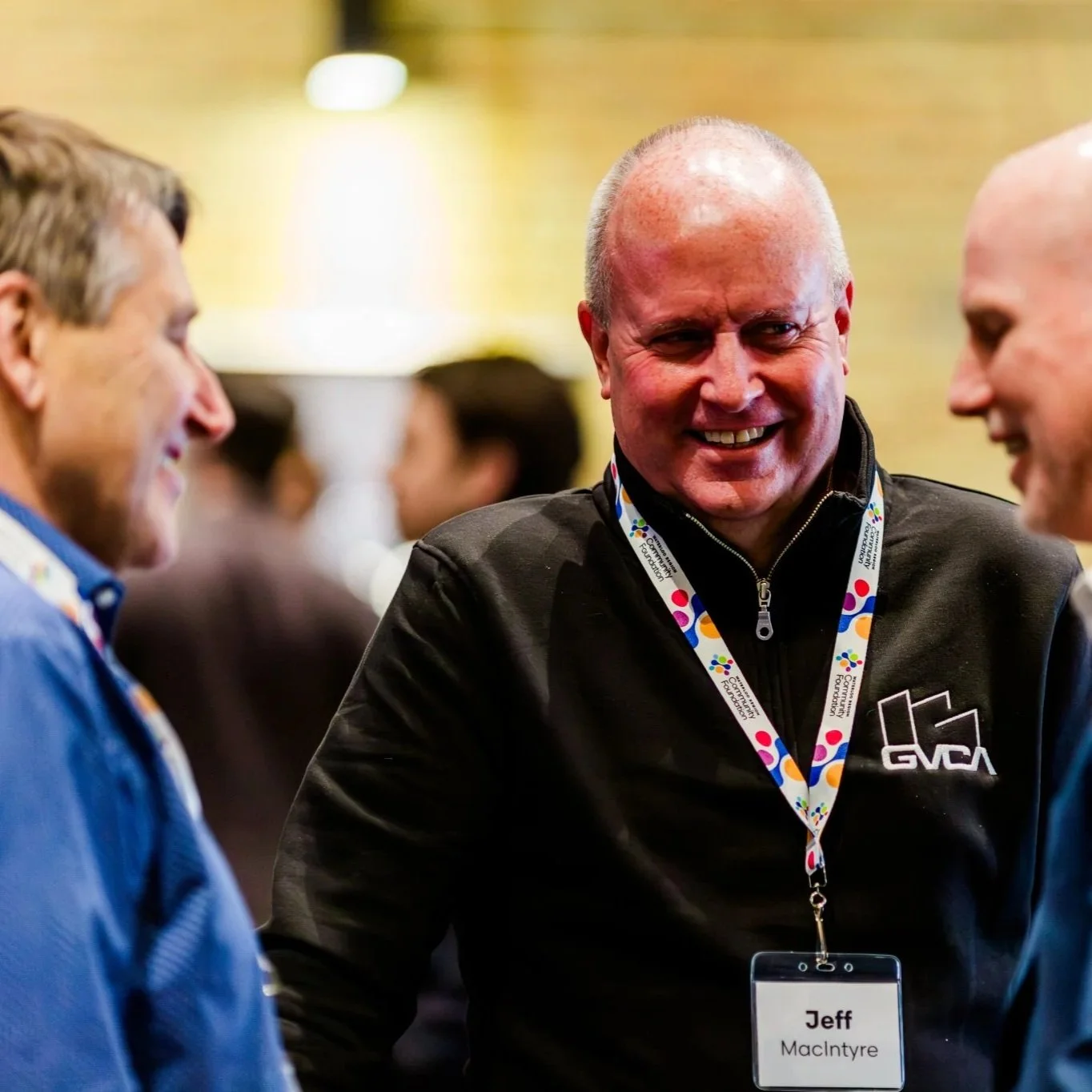
The first session was oriented toward potential investors. In addition to WRCF’s Board and Committee Members, the audience included asset managers and leaders from institutional endowments, other foundations, and WRCF Fundholders. For many in the audience, this session offered a rare opportunity to become familiar with real, investable Canadian impact funds. They would see a range of strategies, geographies, and approaches presented in one place.
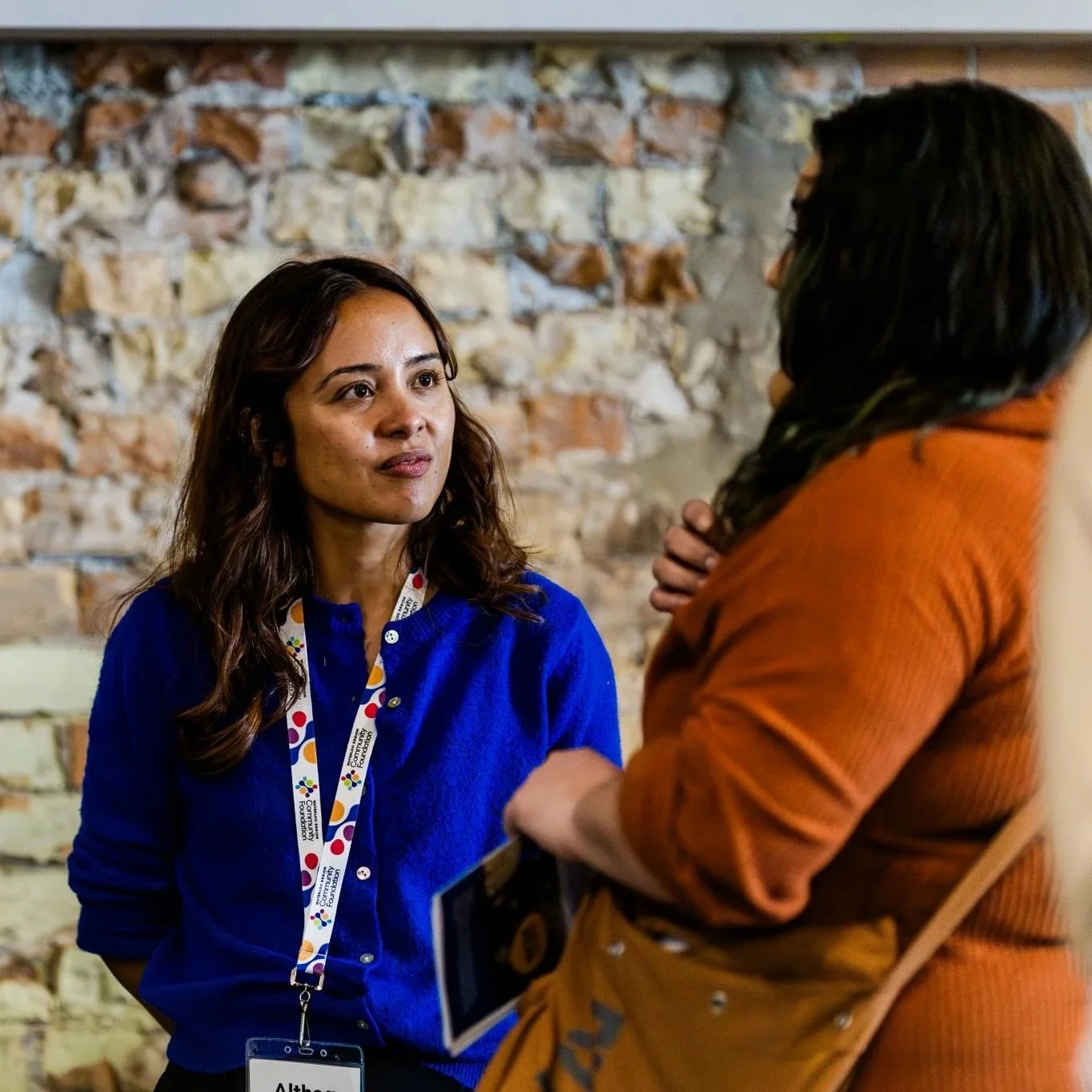
The second session shifted the lens toward those building enterprises and companies seeking capital, alongside local accelerators, incubators, and service providers that support them. This audience engaged with fund managers from the perspective of pipeline development. They had an opportunity to learn how funds think about opportunity, readiness, and fit, and where locally developed ventures might align with national pools of capital.
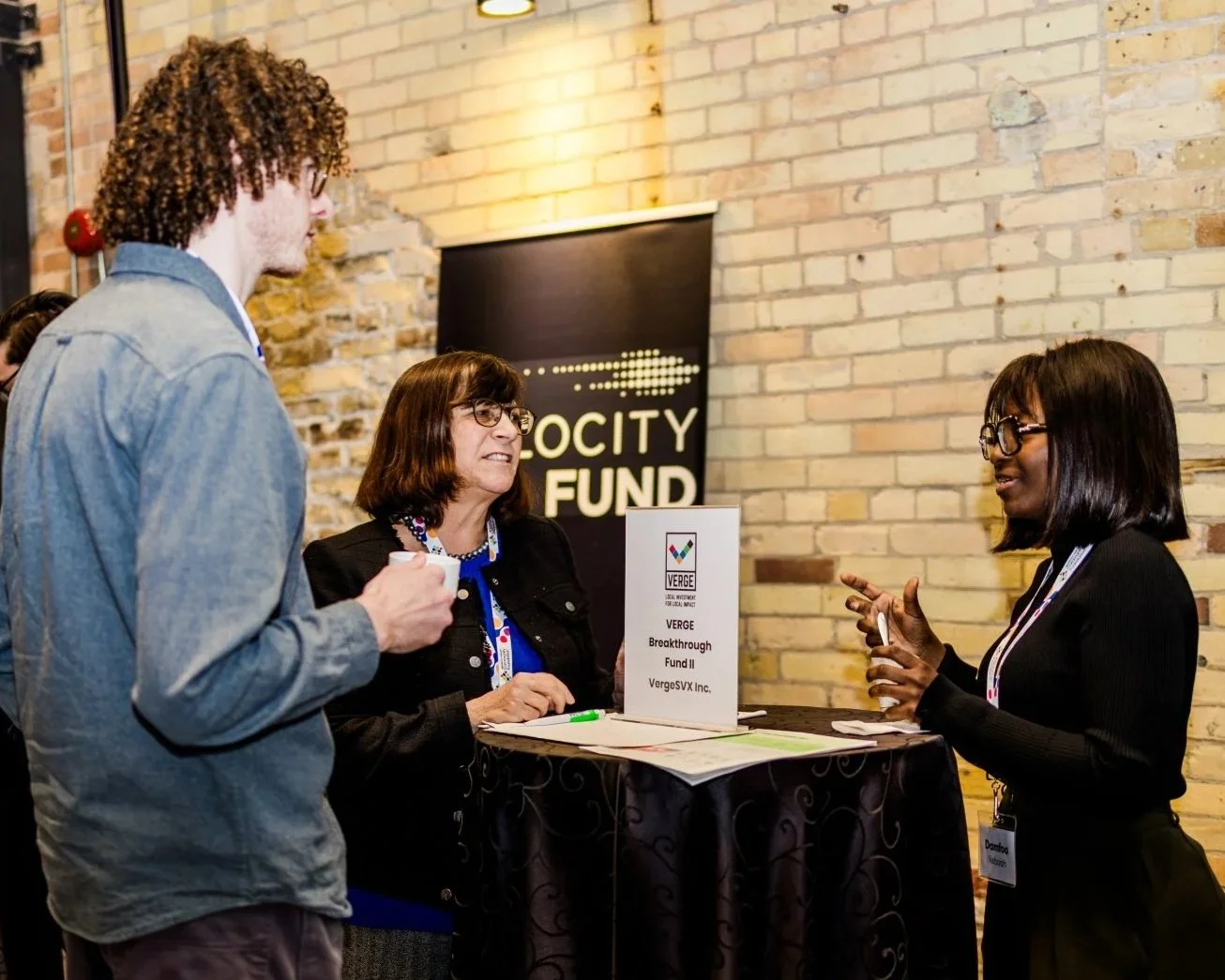
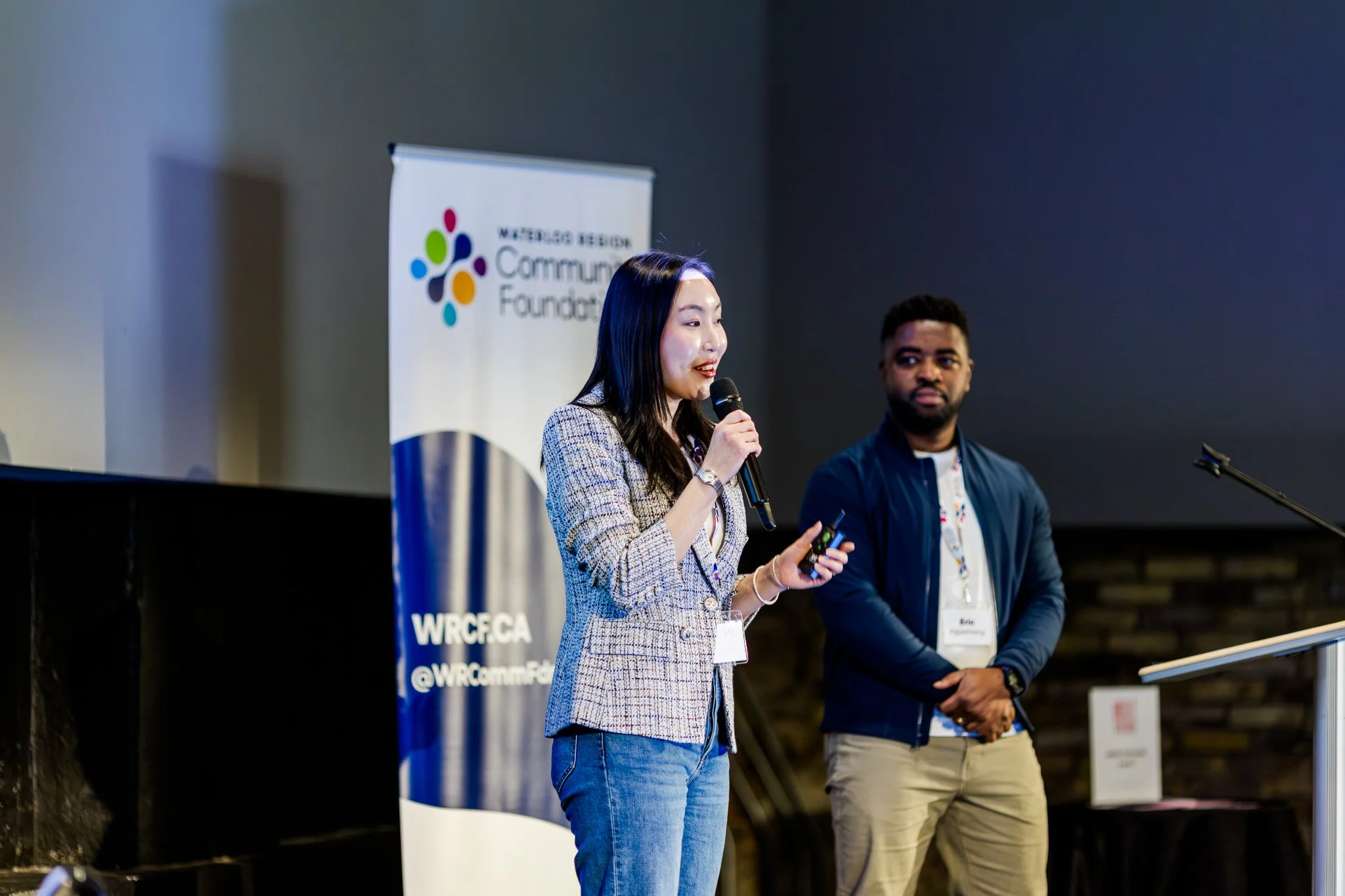
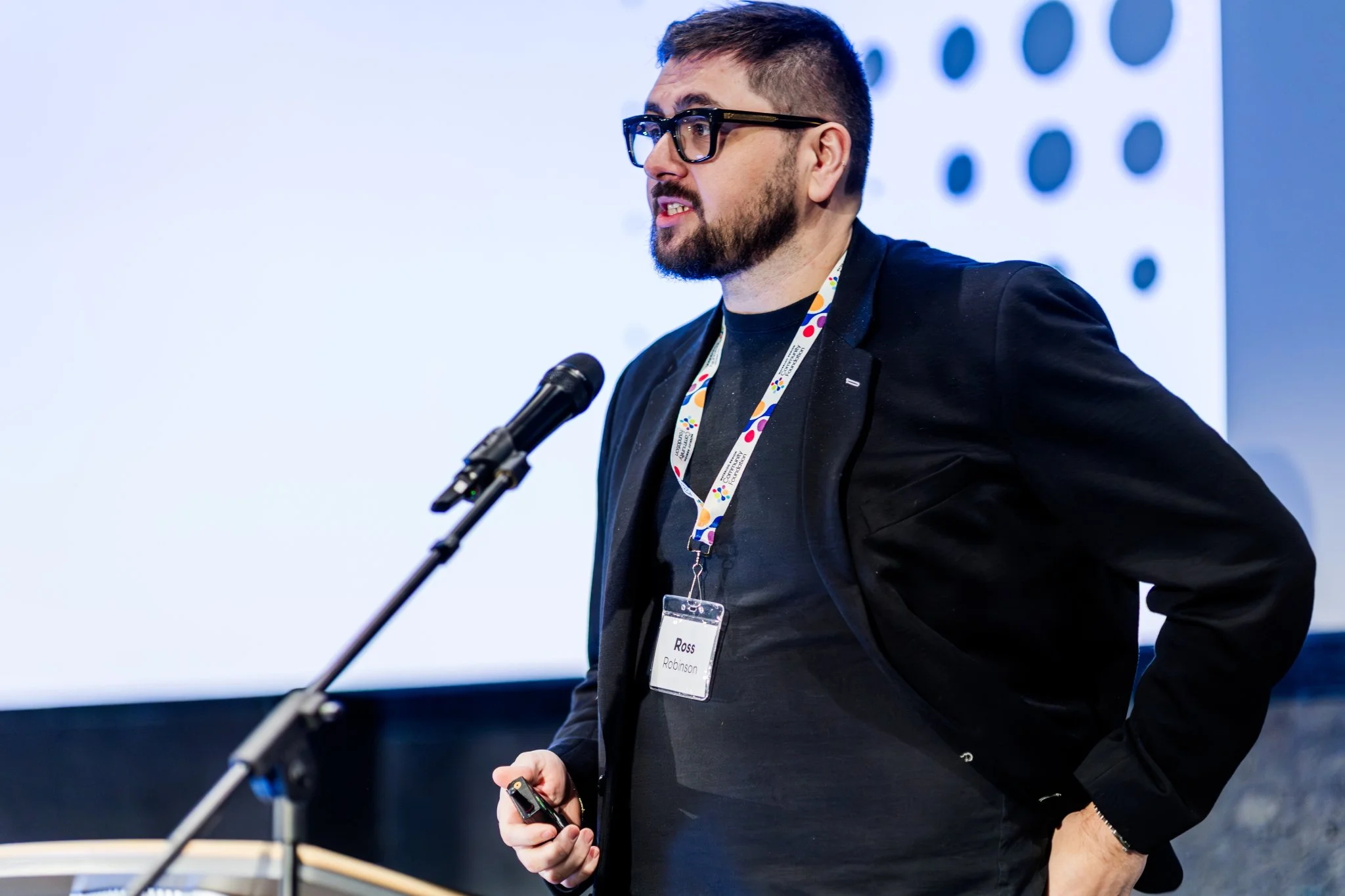
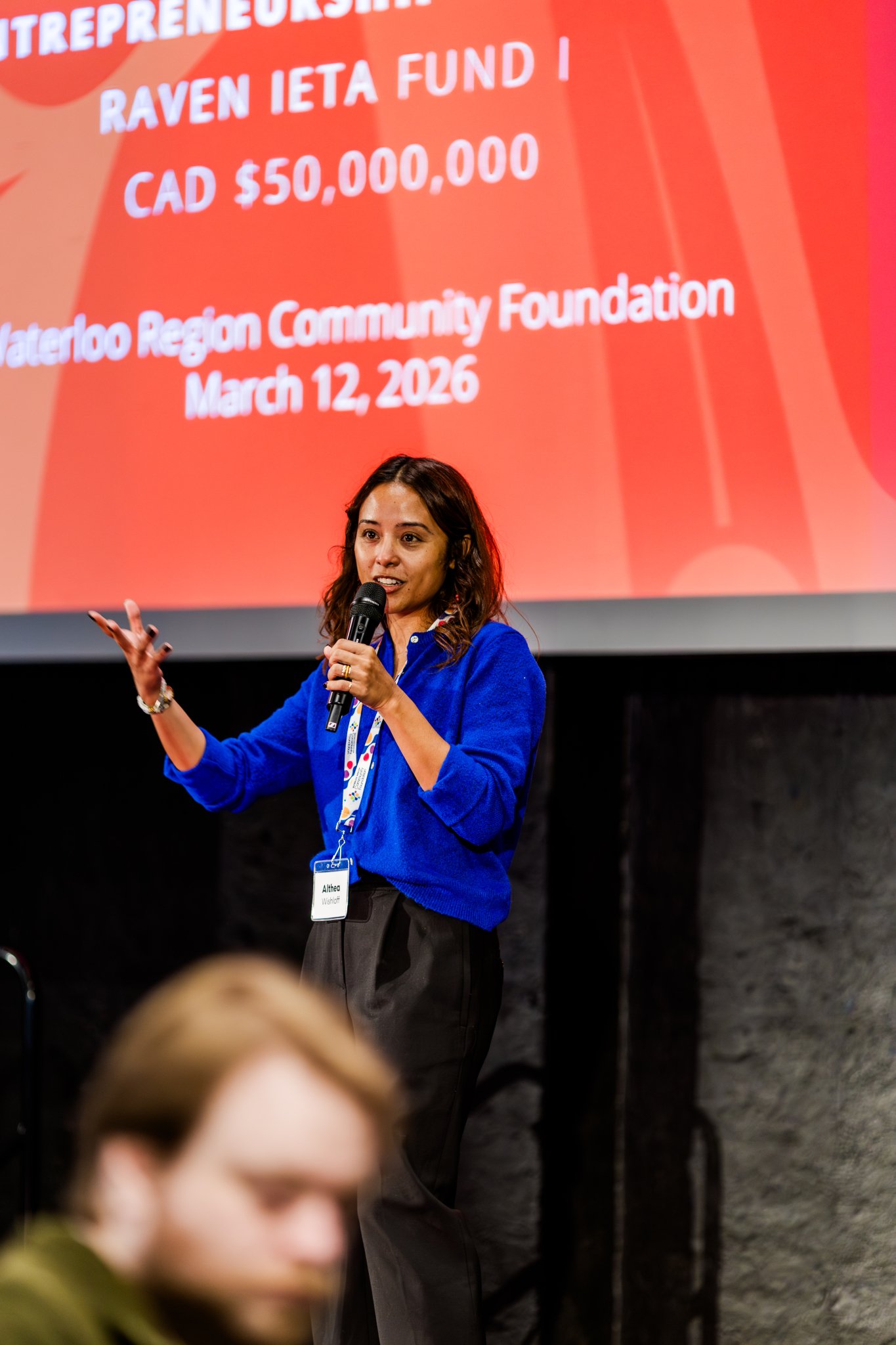
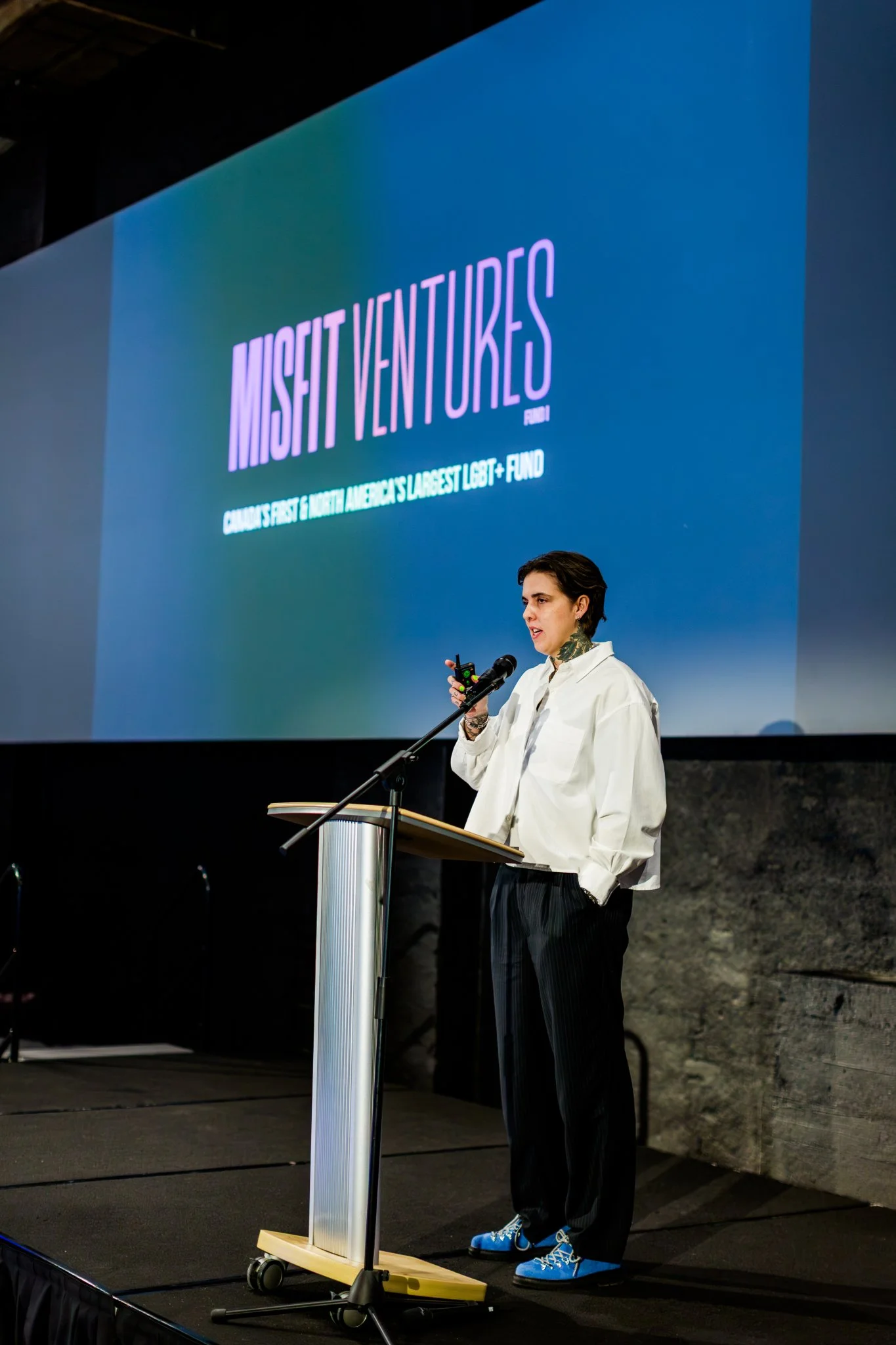
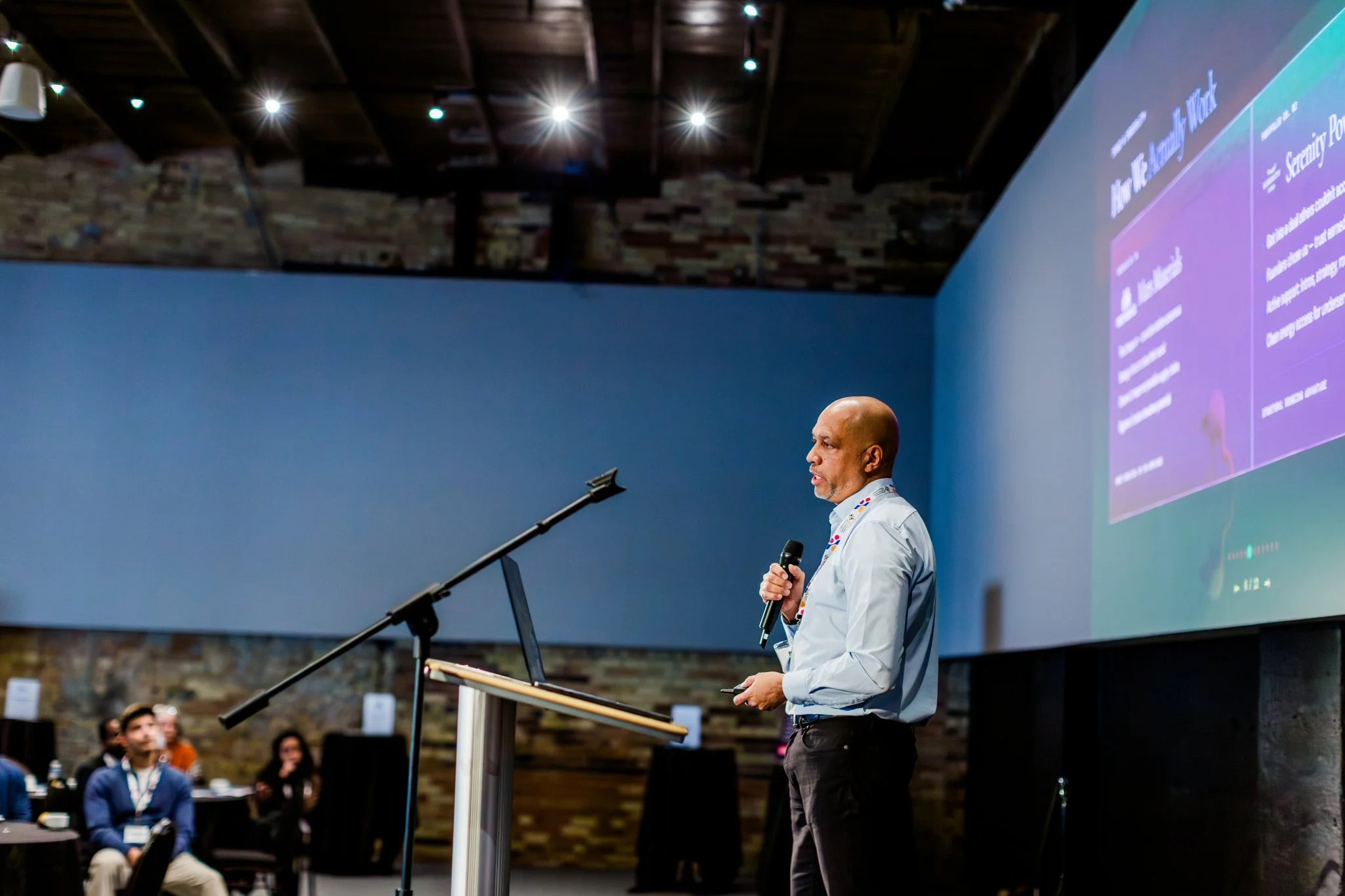
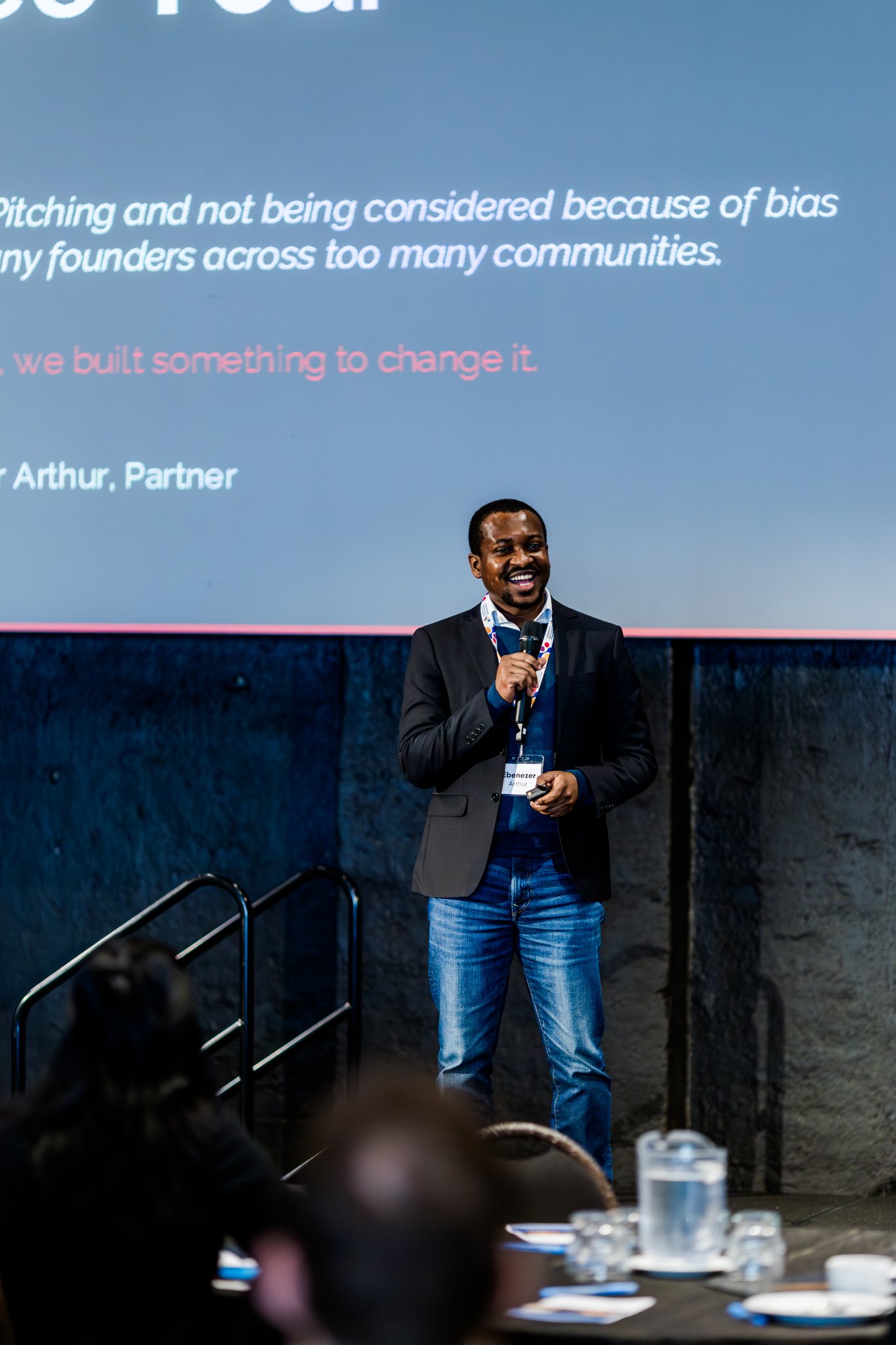
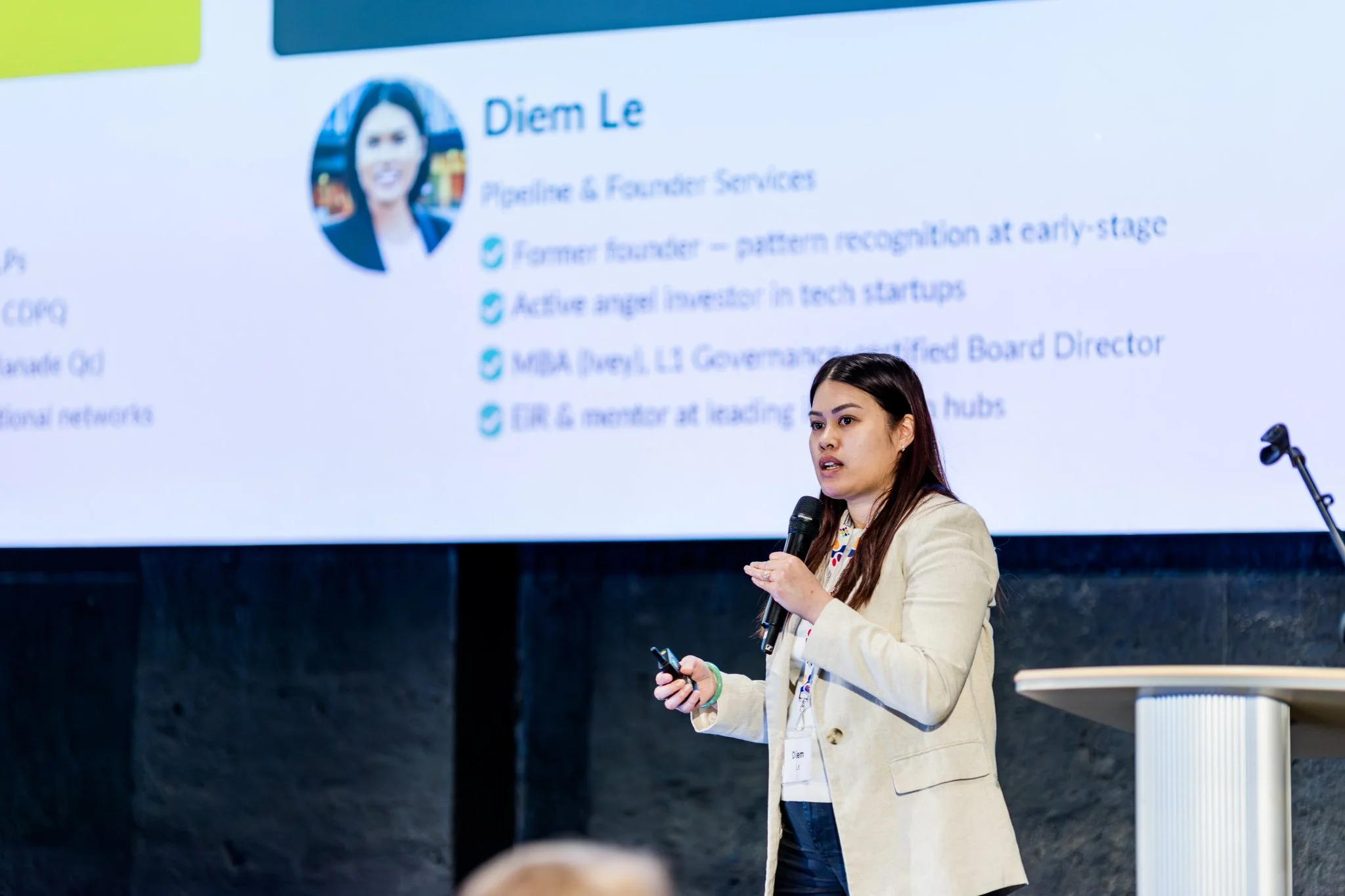
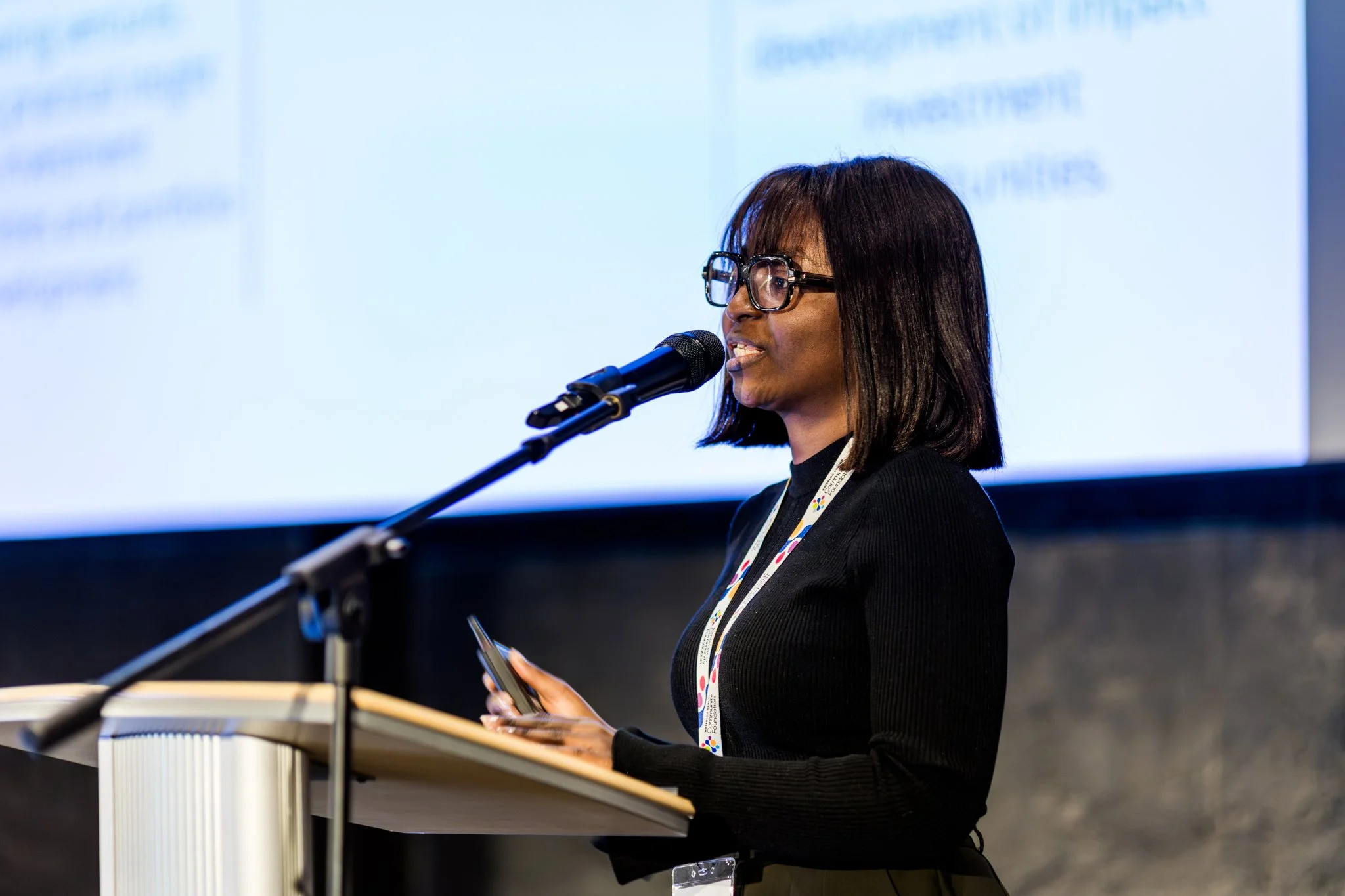
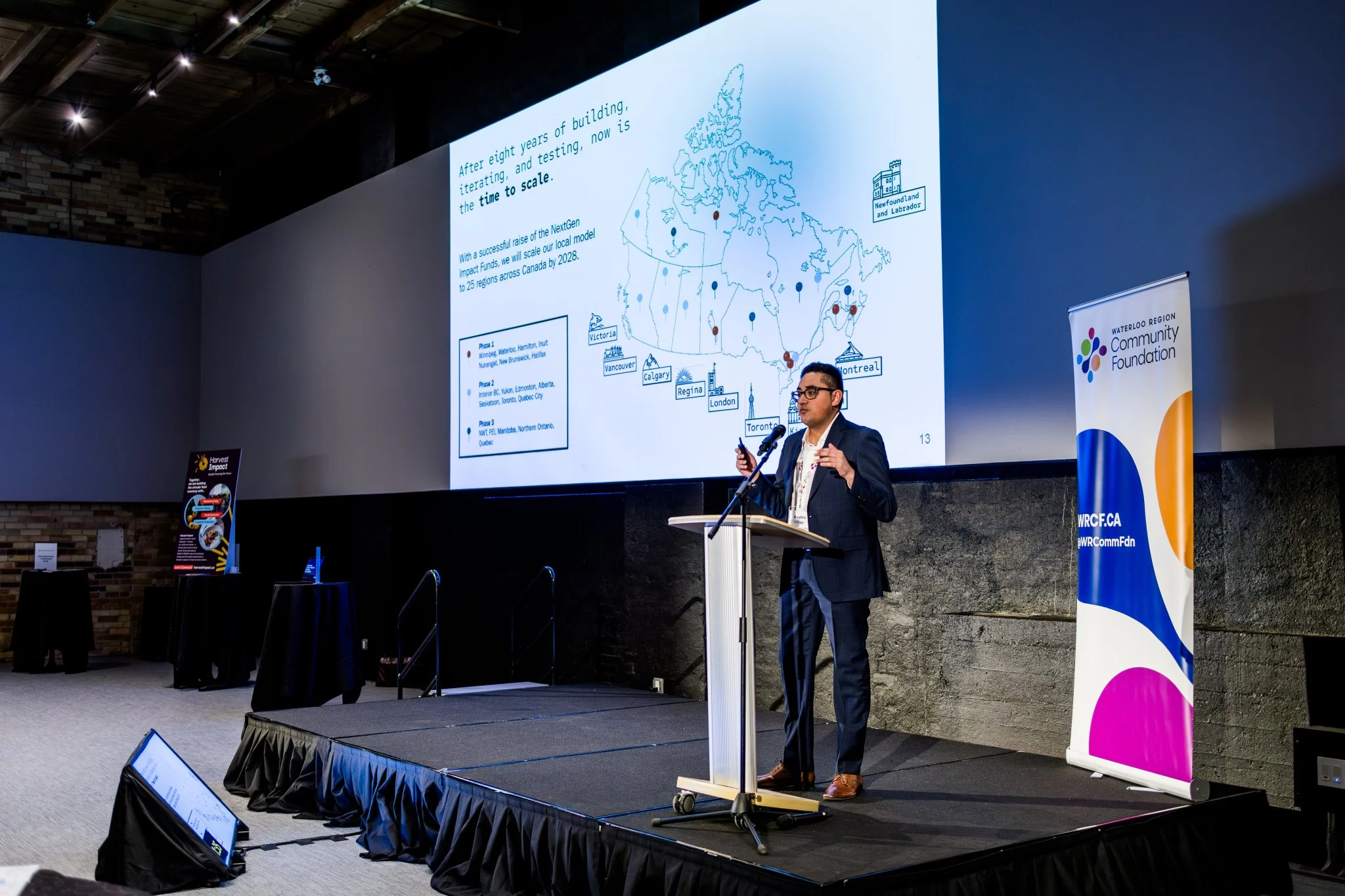
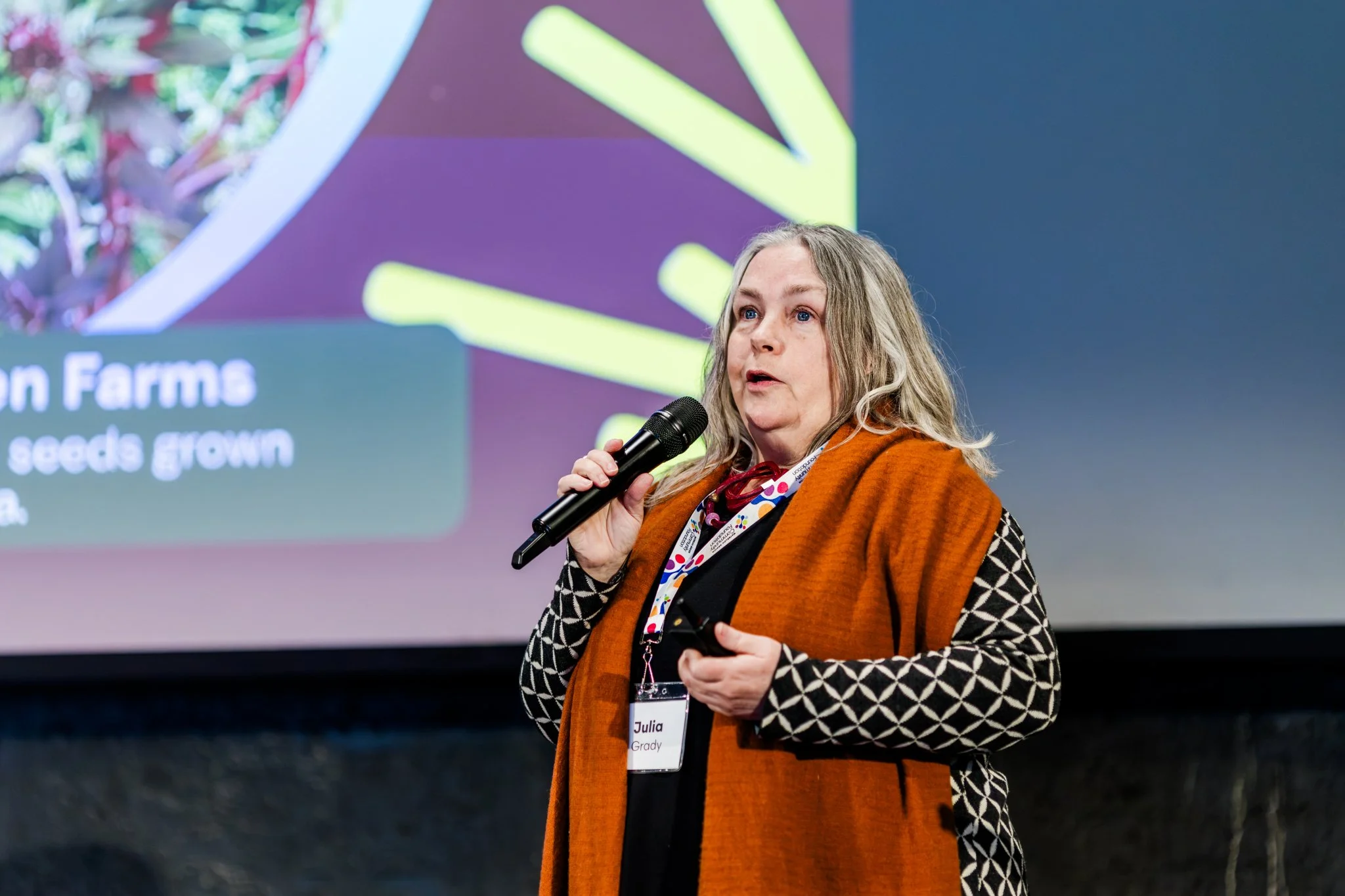
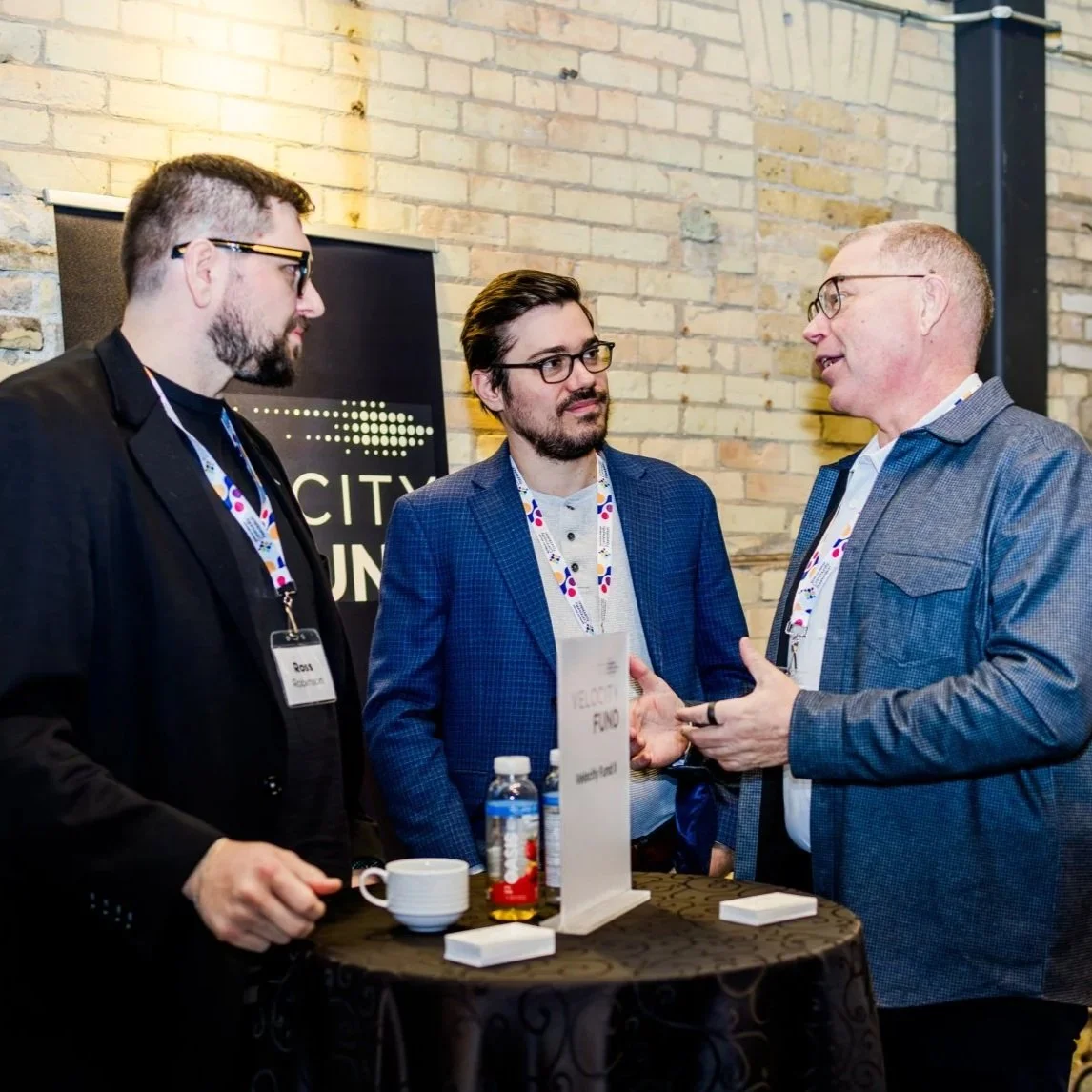
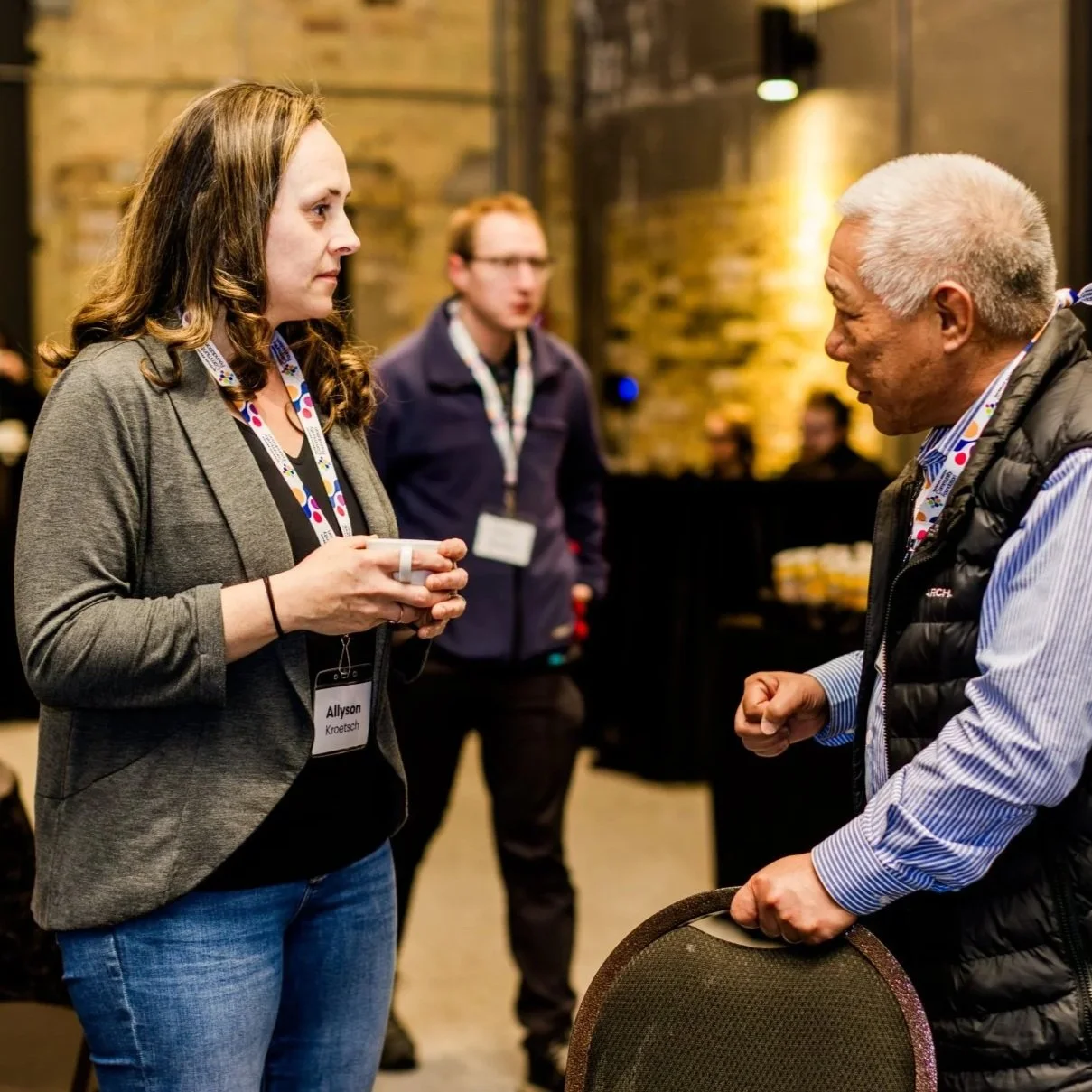
All 12 invited funds presented at each session. Following these presentations, the event moved into an open engagement format. The fund managers were positioned around the perimeter of the room, and attendees were invited to move freely between them to ask questions, explore points of connection, and engage in informal conversations shaped by their own interests and priorities.
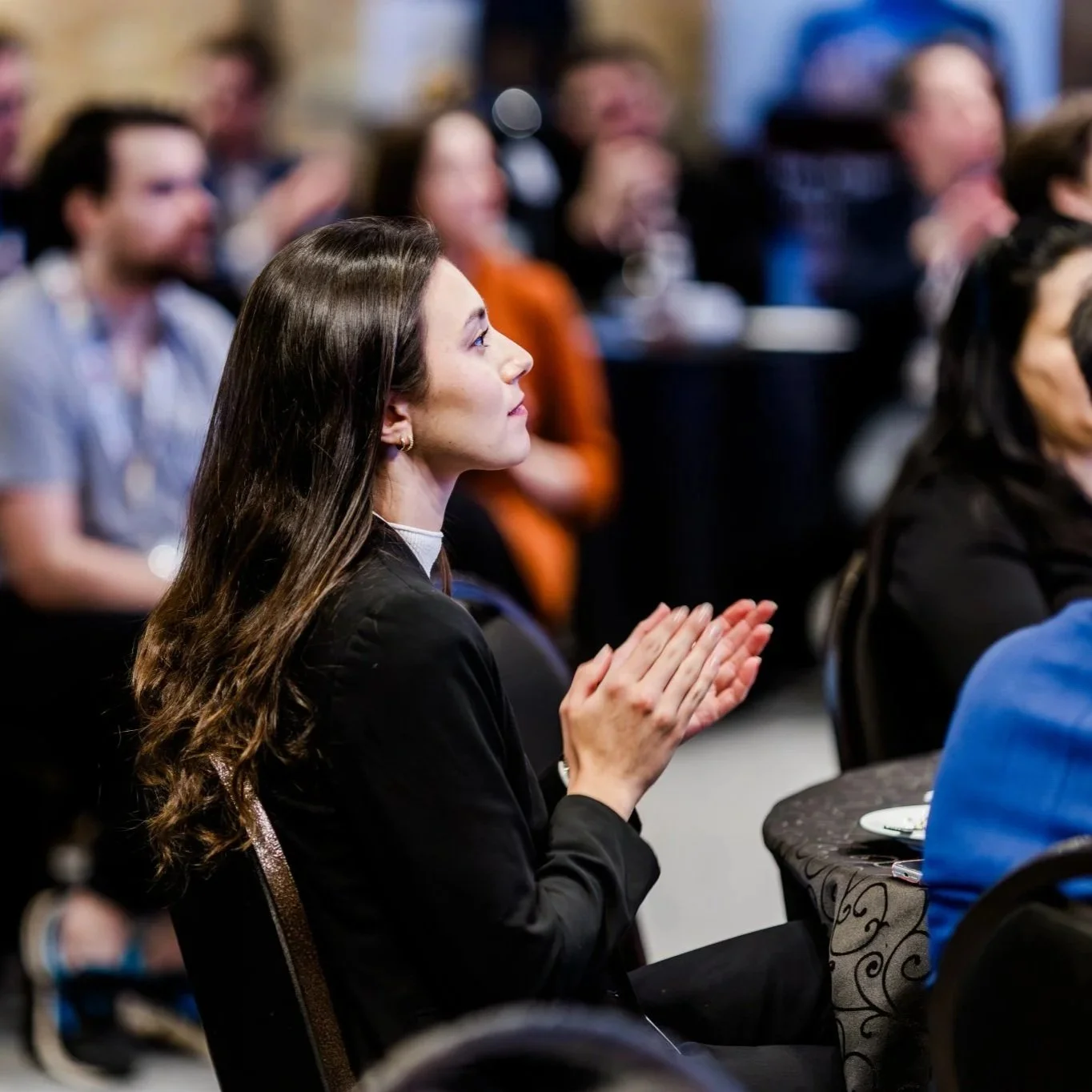
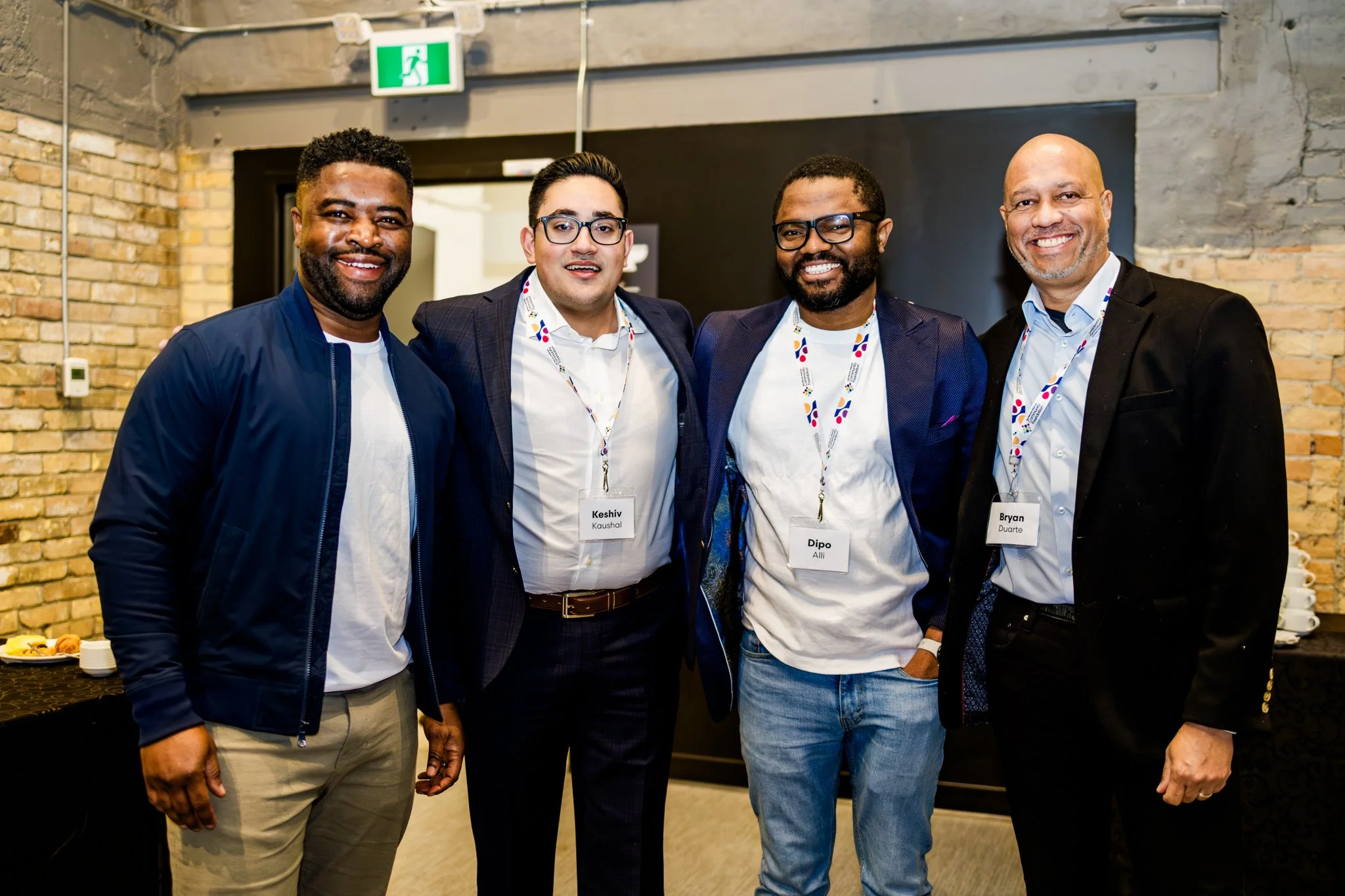
Taken together, the two sessions transformed the Impact Fund Forum from a traditional presentation event into a shared learning environment. Fund managers gained greater awareness of the strength and diversity of enterprises emerging from the region, while local investors, builders, and ecosystem partners gained direct exposure to how national impact funds operate. For WRCF, this reinforced the idea that convening itself is a form of community investment that can build familiarity and trust well before capital is deployed.
What the Results Told Us
At the event, we engaged WRCF’s Board, Investment Committee, and Due Diligence Committee to evaluate the funds’ presentations. We shared the goals of the process and the evaluation rubric with participating funds in advance and invited questions ahead of time. We consistently relayed to funds and reviewers that we were looking beyond the flash and polish of presentations for specific content about strategic fit, impact and credibility, and regional engagement potential. This transparency reinforced that the Impact Fund Form was as much about mutual understanding as it was a competitive selection.
Following the event, we compiled the evaluations conducted by WRCF’s evaluators and analyzed them to identify patterns and convergence. A clear group of leading funds emerged. We tested the robustness of that outcome by examining results through different lenses and assumptions, with consistent results each time.
This consistency mattered. It suggested the outcomes were not driven by any single perspective but reflected genuine alignment across a diverse group of reviewers. Post‑event discussion did not materially change the conclusions, reinforcing confidence that the process had surfaced a real consensus.
Our Investment Decisions, and Why
Based on this process, WRCF has committed to investing in four impact funds, each offering a distinct approach while aligning with our regional and impact objectives:
Bloom Local Food Equity Fund, which invests in local food systems ventures across Southern Ontario and Southern Quebec
Harvest Impact Fund I, a loan fund supporting food sector businesses and complementing equity investment within the same ecosystem
Velocity Fund II, an equity fund focused on high‑growth ventures emerging from the University of Waterloo innovation ecosystem
VERGE Breakthrough Fund II, a loan fund supporting social enterprises across Southwestern Ontario
Together, these investments provide diversification across instruments, sectors, and geographies, while allowing WRCF to engage with funds that can become longer‑term partners in our local economy.
The process also identified two additional funds that are in the process of strengthening their capacity and readiness. In response, WRCF will be providing grants to charities affiliated with NextGen Impact Fund and Raven IETA Fund I to support that activity. We have also signalled our intention to consider investment in their respective funds in the 2027 cycle.
What We Learned and Why We’re Sharing It
Like any first iteration, the Impact Fund Forum revealed both strengths and limitations. The process worked well in identifying funds ready to deploy capital, and highlighted opportunities for WRCF to engage meaningfully with local investors and local entrepreneurs. It opened our eyes to the opportunities of a rapidly growing and maturing social finance ecosystem. Most importantly, it underscored the value of designing a participatory and transparent process we could trust and then trusting it.
We are sharing this experience not because it represents a definitive model, but because we believe learning accelerates when it is shared. Many foundations are asking how to move thoughtfully from place‑based granting to impact investing, without losing their connection to community.
For WRCF, the process that culminated in our first Impact Fund Forum represents a major step in that journey. It is grounded in our values of learning by doing, convening with purpose, and stewarding capital in service of both regional and national impact. I invite you to stay connected and engaged with us as we continue this journey toward a fully mission-aligned investment strategy. There’s still much to learn.

Eric Avner
WRCF President & CEO
eric@wrcf.ca