KINSHIP AND TOGETHERNESS: Community Resource Program fosters strong social connection
Independent Living Waterloo Region benefits from WRCF funding
Disabilities are not one-size-fits-all.
“It's not just about wheelchairs and ramps,” said Dan Lajoie, Manager of Independent Living Resources at Independent Living Waterloo Region (ILWR).
For some people, living with a disability might mean being a wheelchair user. For others, a different type of impairment. Each journey is entirely unique.
It’s in that all-encompassing spirit that the nonprofit Independent Living Waterloo Region has served the community for more than 40 years. Its vision is an inclusive community where those with disabilities are supported to live independently and thrive. Its mission is to support and champion independent living through self-directed services and programs.
One such program is the Community Resource Program, supporting folks with all types of disabilities.
“As long as somebody identifies as having a disability, they can access our Community Resource Program,” Dan said.
The program provides one-on-one support, helping individuals navigate the world around them with assistance from a Community Resource Coordinator.
It also offers peer-based activities geared toward face-to-face social interaction.
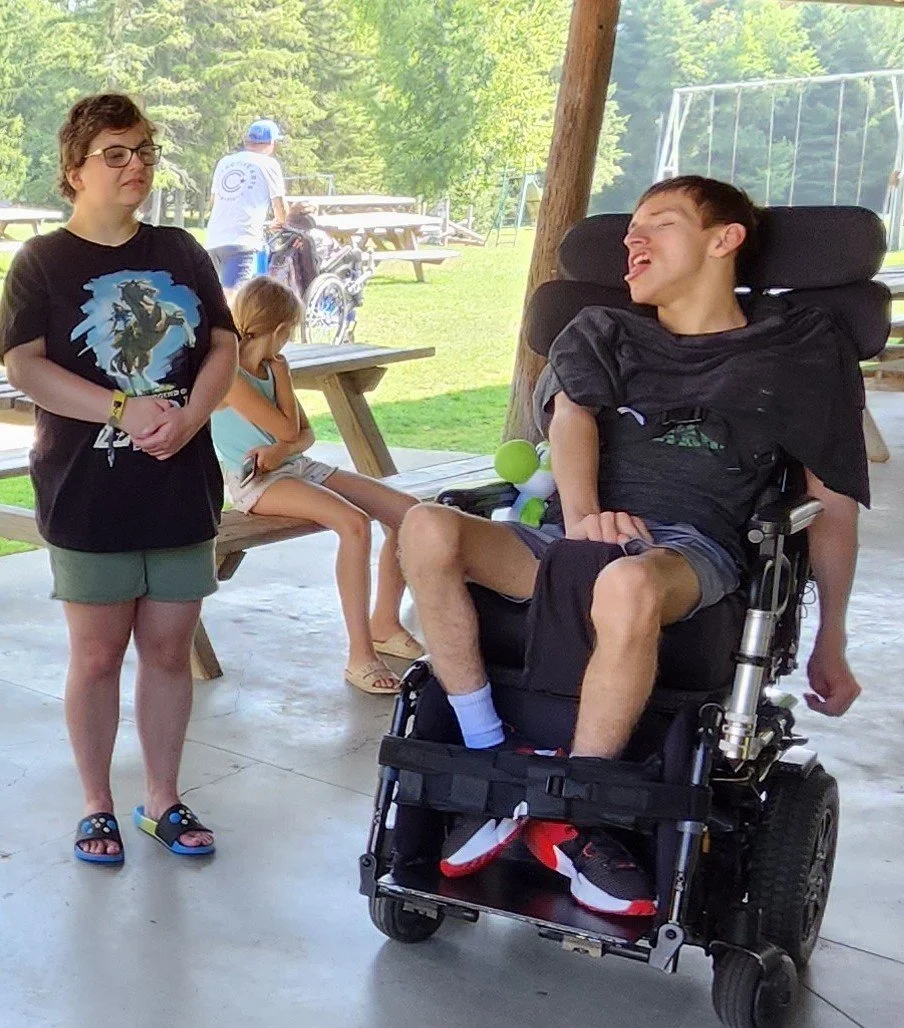
Adults and youth foster connection, wellbeing and community through virtual activities including a peer-led Coffee Club, Staying Well Together Wednesdays (promoting mental and physical health), Let’s Hang Out (interactive games and trivia), and a Quarterly Book Club (thoughtful discussion and shared learning).
In-person events have included the popular Balcony Planter activity and a Tax Clinic, which supports low-income participants with accessible, stress-free filing.
Each activity serves to empower those involved by establishing social infrastructure in which to flourish.
The coffee club, for instance, is "where people get together just to chat about whatever is on their mind,” Dan said. “It’s a safe and accessible space for people with disabilities to come together and just connect with each other and build community.”
The virtual java meetups are a crowd favourite.
"I think the reason that's such a popular program is because it provides participants with an unstructured platform where they can just come in and be themselves. And meet with friends on a weekly basis, share what they've been up to,” Dan said.
“A lot of times, those casual conversations turn into really meaningful conversations about some of the struggles that people are experiencing. It might start off simple with, you know, ‘this week, I had a doctor's appointment and blah, blah, blah.’ And next thing you know, it's a conversation about our system, medical care, and, you know, all sorts of things. Folks just really love the casual opportunity to get together. And we have some people who have been joining us weekly for several years.” He added.
Another highlight within the Community Resource Program is the youth program.
“These are younger adults with disabilities who are just trying to navigate their way through life. Making that transition from being in school to being an adult,” Dan said.
Independent Living Waterloo Region received funding for this program in 2024 through Waterloo Region Community Foundation (WRCF)’s Community Grants program, which supports initiatives focused on improving social infrastructure in Waterloo Region. Additionally, Independent Living Waterloo Region received funding through two WRCF Fundholders — the Hickey Family Fund and the Lonsdale and Roberta Schofield Fund.
The funding assisted with offsetting the staffing cost for one Community Resource Coordinator, as well as associated costs such as transportation, food, facility rentals and an annual youth retreat at Hidden Acres camp.
“With WRCF’s funding, we were able to run 36 programs and activities, which supported 160 participants,” said Dan.
Independent Living Waterloo Region receives some government funding, but the Community Resource Program relies solely on community grants and donations.
"WRCF really allows you to do the programming that you need to do. It's trusting the experts in their fields to deliver the appropriate programming. And I think that we really benefit from that relationship,” Dan said. “I'm really appreciative of WRCF for bringing donors together to support important initiatives.”
While the Community Resource Program holds various benefits, the importance of bringing participants out of isolation can’t be understated.
“People with disabilities are at high risk of experiencing social isolation and barriers to getting out and participating,” said Dan. “Our program provides that sort of safety, inclusive space for them to connect."
“In many cases, that once-a-week connection might be the only social outlet some folks have,” he added. “Especially in the winter, when it's difficult to get around, especially if you have a wheelchair. That once-a-week touchpoint can play a real big role in someone's positive mental health.”
“If I want to go out into the community, there were a million things to consider. Transportation, is the building accessible? What’s the weather like? Who’s going to help me when I get there? With a virtual peer group, I can participate in events from home on my computer, and I don’t have to worry about accessibility.”
The COVID-19 pandemic prompted many programs to go virtual, which proved beneficial in many aspects. Many programs continue to be offered virtually.
"For somebody with a disability, to participate, there is a checklist of a million items that they need to address. Virtual programming removes a lot of those barriers,” Dan said.
The current iteration of the Community Resource Program has been in operation for about seven years, and the chance to make an impact will continue to drive it forward.
“When somebody says that your program basically saves them, that those regular peer connections pulled them from a really dark place, it's very humbling to hear,” Dan said. “It just shows the impact that the program can have for people.”
To learn more about Independent Living Waterloo Region and the programs they offer, visit ilwr.ca.
For more information on WRCF's Community Grants, go to wrcf.ca/communitygrants. If you are interested in learning more about social infrastructure, visit wrcf.ca/socialinfrastructure.