
Afrocentric after-school tutoring program gives students 'access to the outcomes'
Equality and equity.
The former assumes that everyone starts from the same place, while the latter recognizes that people face unique barriers.
It's with equity in mind that Waterloo Region-based tutoring program Building Brilliance has been knocking down barriers for Black and Indigenous youth by improving access to community-based education.
"Our mission is really to provide access to the outcomes for these children," said Brian Bernard, who formed Building Brilliance alongside like-minded local educators Cheryl Henhoeffer, Maryama Ali and Sheena Alliniece.
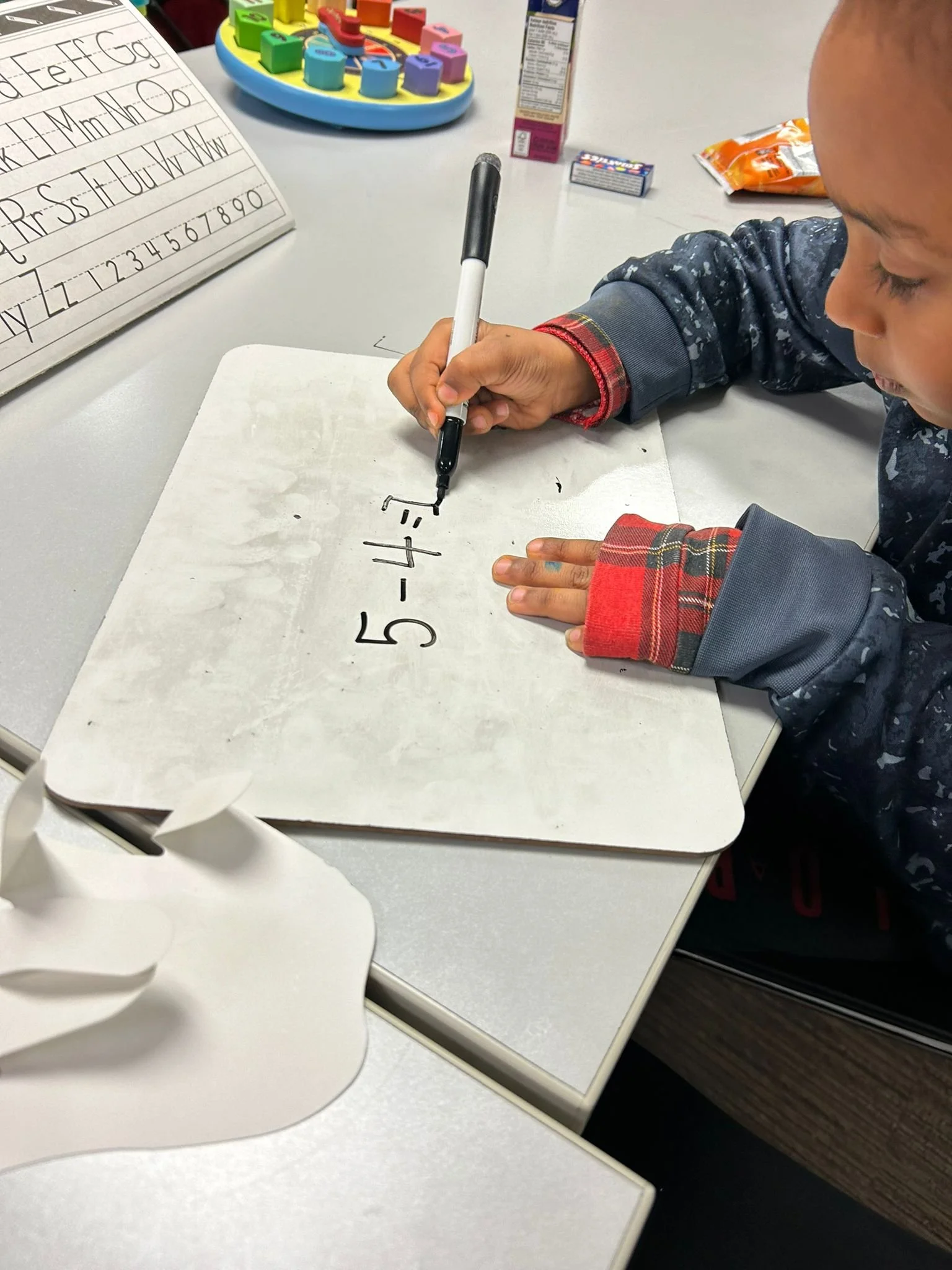
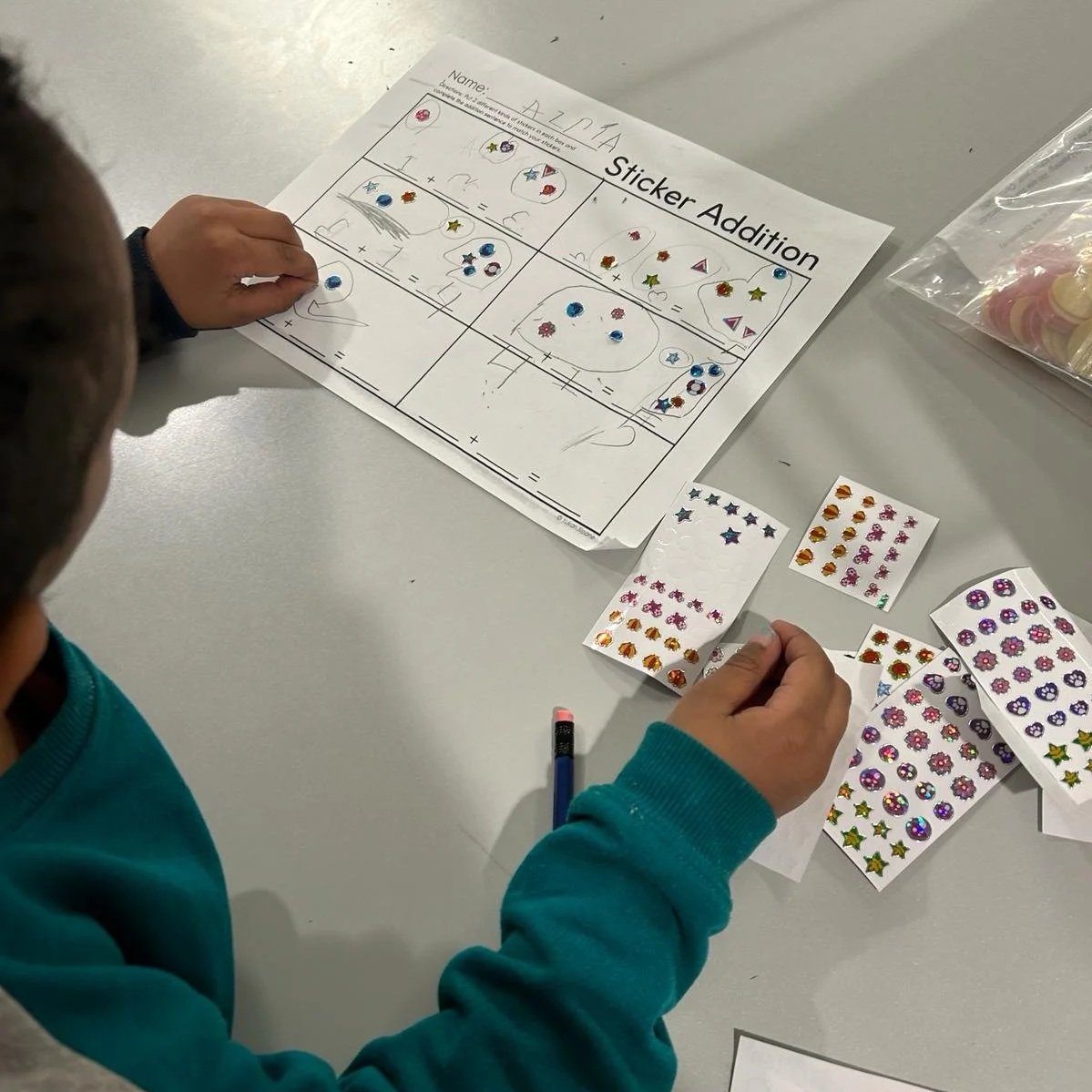
Included in Building Brilliance's programming is a weekly Afrocentric after-school program that integrates literacy and STEAM (science, technology, engineering, arts, and mathematics) tutoring while acknowledging the historical, social, and political realities that shape Black students' experiences.
Disparities exist
From food insecurity and poverty to systemic racism, Black, Indigenous, and racialized students are affected by a multitude of disparities before and after they enter a classroom.
Building Brilliance aims to level up by removing some of those recurring barriers; it offers its after-school program free of charge, makes it highly accessible, and focuses on ensuring the time spent in the classroom is memorable for the right reasons.
"There is a pocket of the community that is being underserved," said Brian, who has spent a number of years working in education, in addition to his own lived experience navigating the education system as a Black individual and parent of five racialized daughters. "And our mission has always been that — specifically because we are an educational organization — we want children to be able to achieve equitable outcomes."
Students in the after-school program are provided with food and drinks, so they aren't hungry while trying to learn. The tutoring spaces are centrally located to minimize transportation logistics.
"We're just trying to pay very close attention to what those disadvantages are, and we're trying to remove those very intentionally to make sure that the outcomes that we want — that we all want — are what happens," Brian said.
Social infrastructure — the shared places, experiences and resources that enable people to connect in meaningful ways — is undoubtedly being served at Building Brilliance's table, where those in the Black community can feel connected to what they're learning and who they are learning alongside.
'A powerful thing'
"If you are coming from a different country, and maybe your heritage is not a Euro-centric heritage, and you go into a history class and pick up a textbook, and see that none of the content is reflecting any of your history at all, or your contributions to Canada, that may disconnect you from the material," Brian said. "And, the person delivering the material may be more connected to that history than you are, and maybe they don't realize that it’s disconnecting you from the material.”
“So being able to see (a Black instructor), somebody that looks like you, delivering the material that's important for you to know, but also providing it through a cultural lens helps these students stay engaged with that whole learning process. Secondarily, it can show them that an educator can also look like them, which I think a lot of people don't realize is a very important thing. Being able to see that an educator can look like you is a very powerful thing that resonates with students of all ages, including post-secondary students.”
Summer camp is for everyone
Also impactful for many children is the summer camp experience. Building Brilliance has partnered with the Waterloo Region District School Board to host a camp for Black, Indigenous, and racialized children.
Finer details, such as bringing in culturally relevant food and experiences, help to make this camp experience especially memorable, relatable, and comfortable for participants.
"There are a lot of families (for whom) the idea of going to a camp wasn't achievable," Brian said.
"This is just something that came out of a desire to help," he added. "Our organizations just worked it out. The camp is a very good example of collaboration between different organizations in the community."
While in its relative infancy, Building Brilliance has so far succeeded in delivering its mission of empowering children through education, according to Brian.
"A program like ours is very important because we don't only care about the big signal that exists where we want to help every kid just generally learn," he said. "We also care about all of the factors that are hindering the kids from learning. That's the area that needs the most attention across the board."
An ongoing challenge for leaders in the region, including those at Building Brilliance, will be to continue to find ways to break down recurring barriers collaboratively, as opposed to organizations existing in silos.
Allowing himself to dream for a moment, Brian said his idealistic version of Building Brilliance would include a facility with multiple classrooms that every child in the region could access. There would be a kitchen, maybe a gymnasium, even a translation service for those who don't speak English.
"I'm always thinking about those little barriers that are keeping people away from accessing us," he said. "I know it's a dream, but I feel it's a possible and achievable dream. The things that I'm bringing up, they're not insignificant, but they're not insurmountable either."
For more information on Building Brilliance, visit buildingbrilliancekw.com.
For more information on Waterloo Region Community Foundation’s Vital Ideas Report about Social Infrastructure and Black Communities, go to wrcf.ca/vital-signs.